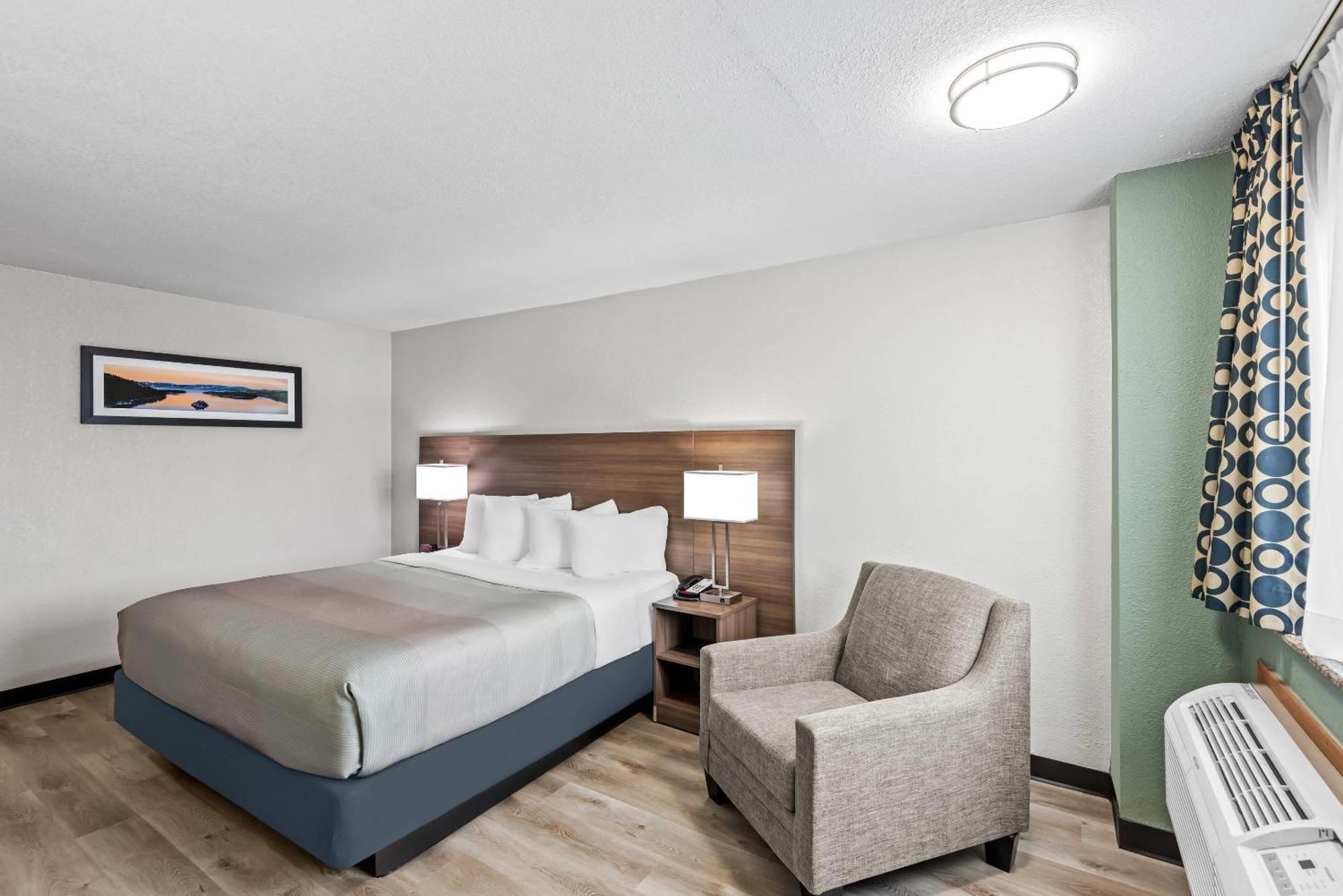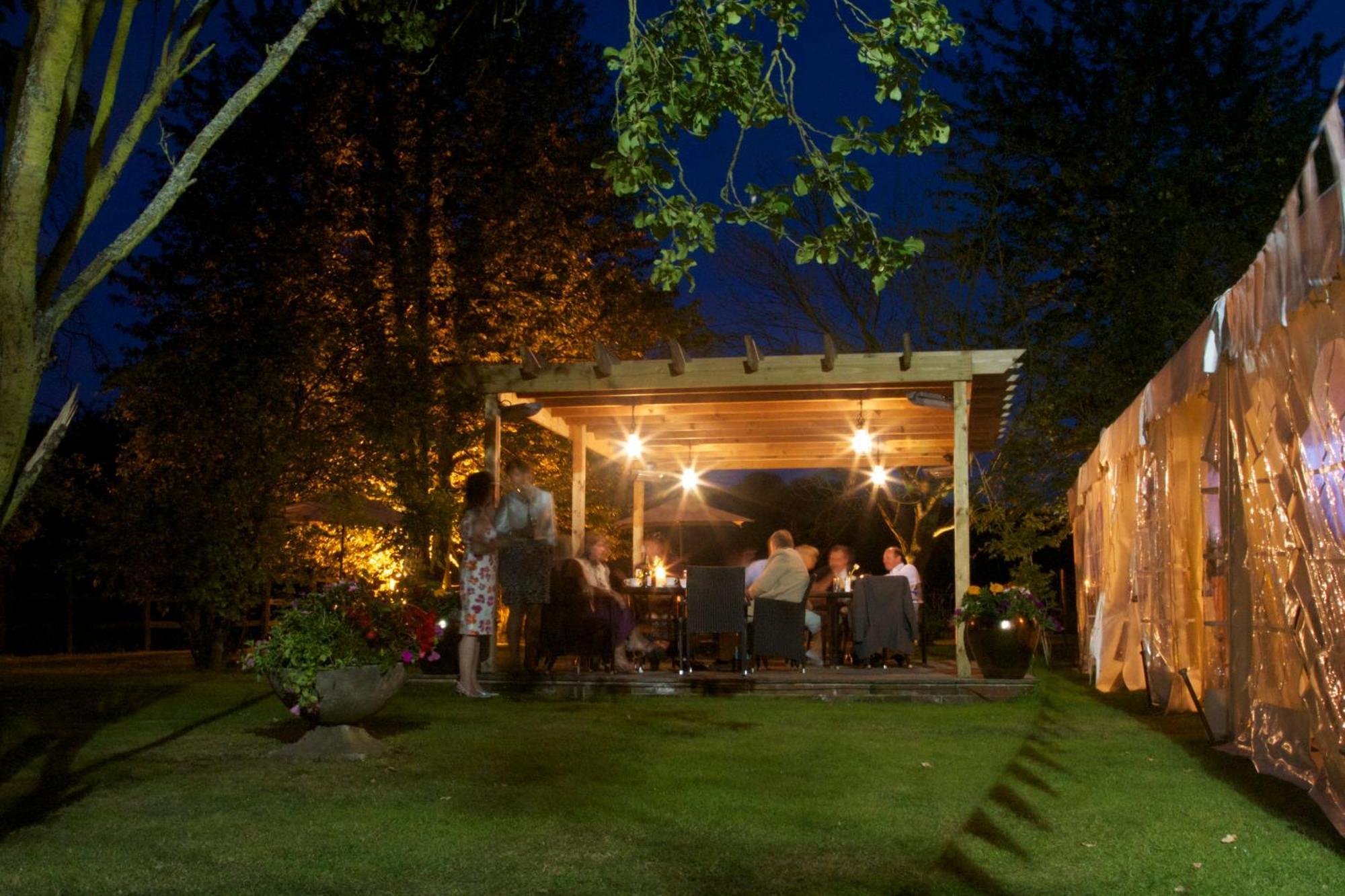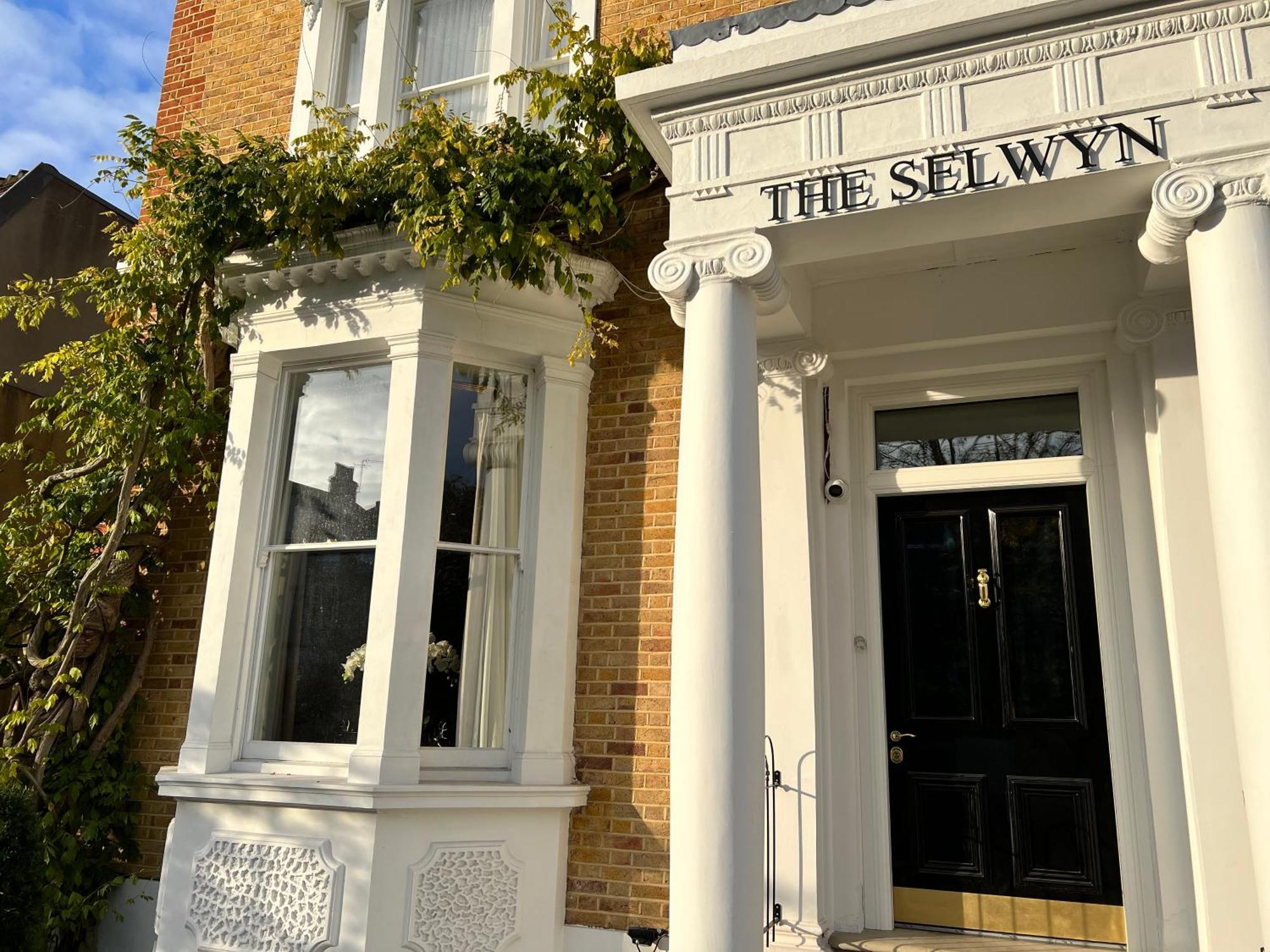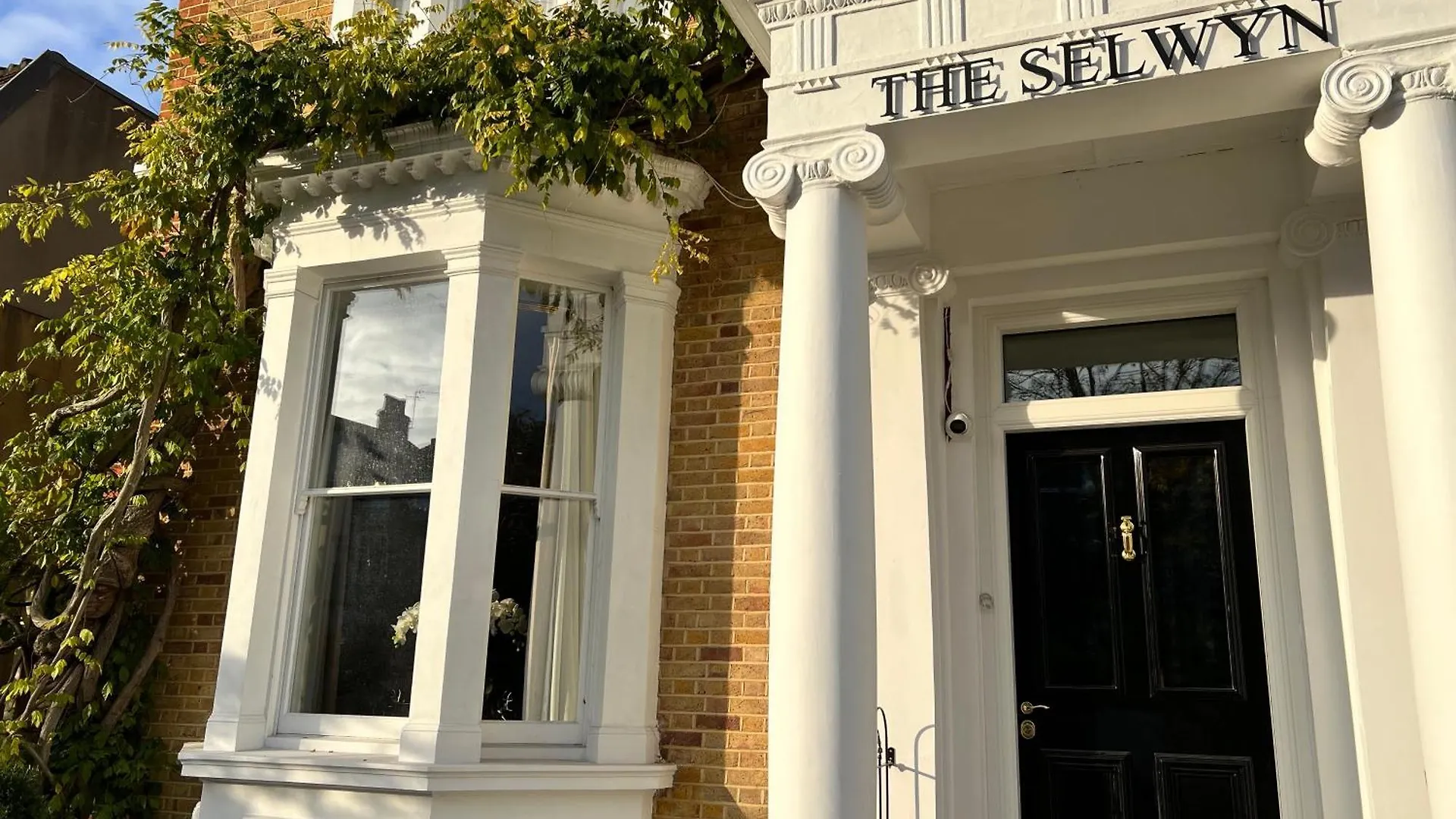
Richmond upon Thames sits around 10 miles southwest of central London, sitting at the meeting point of Richmond Park, the River Thames, and direct rail access to London Waterloo in under 20 minutes. These five design-forward hotels reflect the area's character: Georgian architecture, riverside settings, and an upscale residential feel that sets it apart from the busy tourist corridors of Zone 1.
What It's Like Staying in Richmond upon Thames
Staying in Richmond means trading central London's density for a quieter, more composed pace - without sacrificing connectivity. Richmond Station connects directly to London Waterloo in under 20 minutes, and the District line gives you tube access without a transfer. The area around George Street and the Hill is walkable for dining and shopping, while Richmond Park - one of London's largest Royal Parks - is reachable on foot from most hotels in the area.
Crowds concentrate on weekends, particularly around the riverside and the Park, and match days at Twickenham Stadium (roughly 2 miles away) push transport and pub footfall noticeably. Midweek, Richmond feels genuinely calm for a London borough.
Pros:
- Direct rail to London Waterloo in under 20 minutes, making day trips into the city straightforward
- Immediate access to Richmond Park, Kew Gardens, and the Thames Path without leaving the borough
- Noticeably quieter and greener than Zone 1 or Zone 2 hotel districts, with a strong local dining scene
Cons:
- Further from central London attractions like the West End or the South Bank - plan for around 40 minutes door-to-door
- Weekend and match-day crowds around the river and pubs can make parking and transport congested
- Fewer late-night transport options compared to inner London zones
Why Choose a Design Hotel in Richmond
Design hotels in Richmond tend to occupy Georgian or Victorian buildings that have been carefully converted, which means architectural character is baked in rather than applied as a surface aesthetic. Unlike chain properties in outer London, these hotels typically invest in individually styled rooms, curated food and drink programmes, and features like riverside views or park-facing terraces that larger operators rarely offer at this price point.
Rates at Richmond's design-led properties generally sit above the outer London average - expect to pay a noticeable premium over a standard hotel in Hounslow or Twickenham - but the room quality, setting, and F&B offering justify the gap for most stays. Room sizes tend to be generous by London standards, though some heritage buildings mean certain rooms are compact on the upper floors.
Pros:
- Individually decorated rooms with genuine architectural character, not templated interiors
- On-site restaurants and bars that function as genuine dining destinations, not just hotel amenities
- Settings near the Thames or Richmond Park that add real value to the stay experience
Cons:
- Higher nightly rates than standard outer London hotels, with limited budget alternatives in the immediate area
- Heritage building constraints can mean limited lift access or variable room layouts
- Parking, where available, is usually chargeable and cannot always be guaranteed
Practical Booking & Area Strategy for Richmond
The strongest hotel positions in Richmond cluster around Richmond Hill and the stretch of Petersham Road running down toward the river - both give walkable access to Richmond Park and the Thames without requiring a car. Hotels closer to Richmond Station on George Street or the Hill trade the scenic setting for faster tube and rail access, which matters if you plan to commute into London daily.
Book at least 6 weeks ahead for weekend stays between May and September, when demand from domestic leisure travellers and Kew Gardens visitors pushes occupancy high. Twickenham Stadium match weekends - primarily autumn and winter - create sharp demand spikes across all Richmond accommodation. For weekday stays outside summer, last-minute rates can be significantly more competitive. Kew Gardens is under 5 minutes by car or around 25 minutes on foot from most central Richmond hotels, and the Thames Path connects Richmond Bridge to Twickenham and Hampton Court for guests who want structured walking routes. Richmond Park's main gates on Petersham Road are a genuine 2-minute walk from the Hill hotels, making it a practical morning or evening option regardless of weather.
Best Value Design Stays in Richmond
These two hotels deliver strong design credentials and solid locations at rates that sit below the top-tier riverside properties, making them the sharpest entry points into Richmond's design hotel scene.
-
1. Orange Tree
Show on map


 Check-infrom 15:00 until 22:00Check-outuntil 11:00
Just a few rooms left at the best rate!
from£ 220
-
2. The Selwyn, Richmond
Show on map


 Check-infrom 15:00 until 23:59Check-outuntil 11:00
Just a few rooms left at the best rate!
from£ 40
Best Premium Design Stays in Richmond
These three properties represent Richmond's strongest design hotel offer - each with a distinct architectural identity, elevated food and drink programmes, and settings that directly face either the Thames, Richmond Park, or the historic Richmond Hill ridge.
-
1. Richmond Hill Hotel
Show on map


 Check-infrom 15:00 until 23:59Check-outuntil 11:00
Hurry – almost gone at this price!
from£ 96
-
4. Harbour Hotel & Spa Richmond
Show on map


 Check-infrom 15:00 until 23:59Check-outuntil 11:00
Hurry – almost gone at this price!
from£ 112
-
5. Bingham Riverhouse
Show on map


 Check-infrom 15:00 until 23:59Check-outuntil 11:00
Rooms filling fast – secure the best rate!
from£ 216
Smart Timing & Booking Advice for Richmond Hotels
Richmond's peak demand window runs from late April through September, driven by Kew Gardens visitor traffic, Thames riverside footfall, and the general London leisure travel season. Weekends in July and August see the sharpest rate increases across all five properties in this guide, and availability at the riverside and Park-adjacent hotels compresses quickly. Twickenham Stadium international match weekends - typically six to eight fixtures between November and March - create concentrated demand spikes that affect all Richmond accommodation regardless of category.
For weekday stays between October and March, rates drop noticeably and the area is at its quietest - Richmond Park in autumn and winter is a different experience from the summer crowds, and the spa-equipped properties like Harbour Hotel become more compelling in colder months. Booking around 6 weeks in advance is sufficient for most midweek stays; for a Saturday night in summer or a Twickenham match weekend, 8 to 10 weeks ahead is a safer window. A two-night stay is the practical minimum to justify the journey time from central London and to properly access the Park, Kew Gardens, and the riverside without feeling rushed.