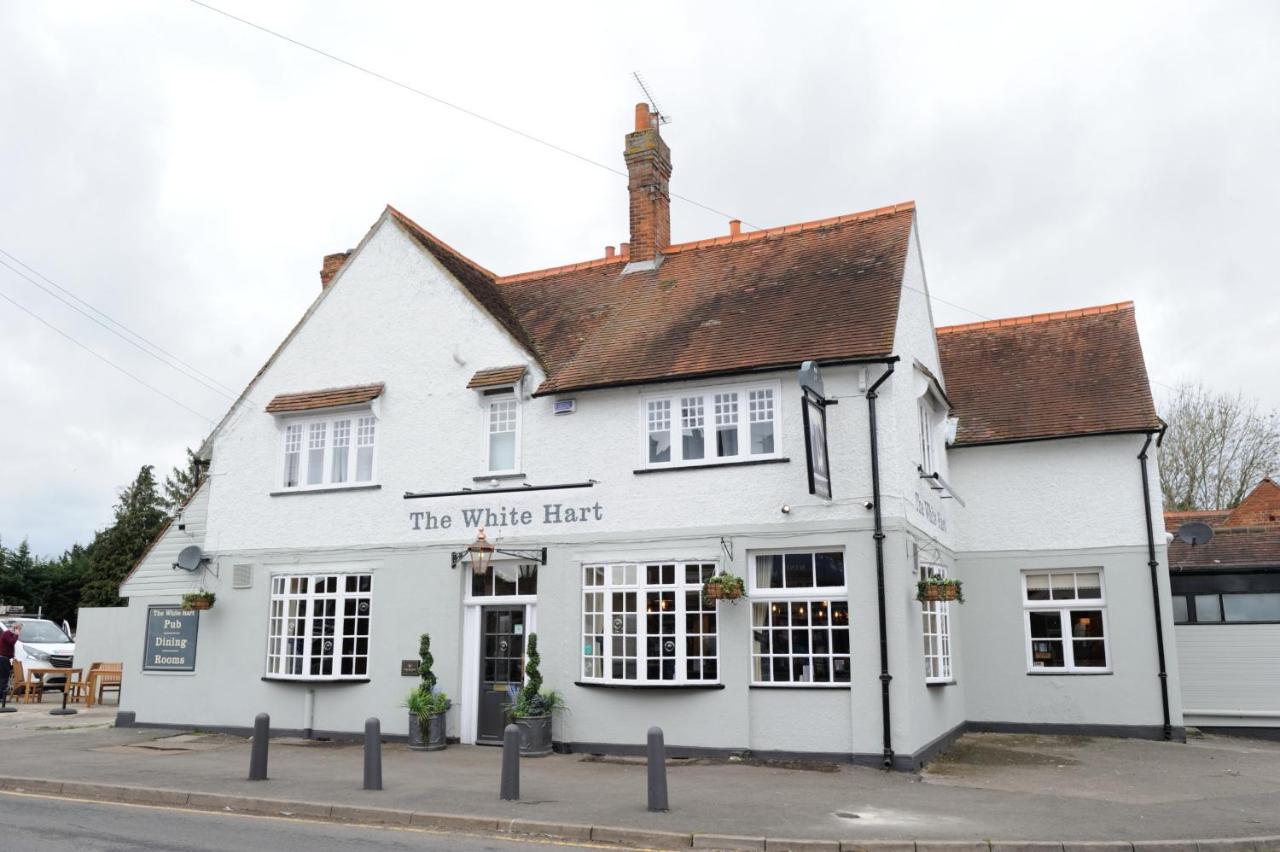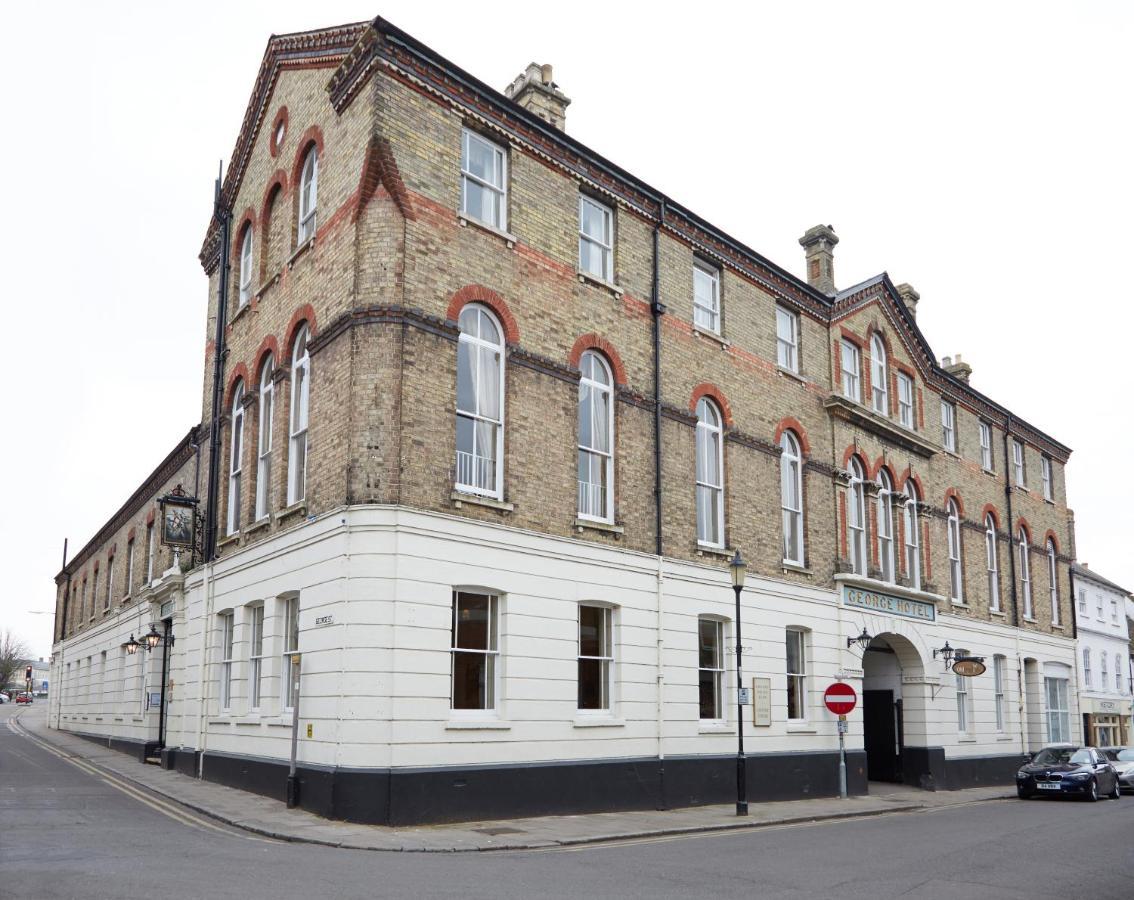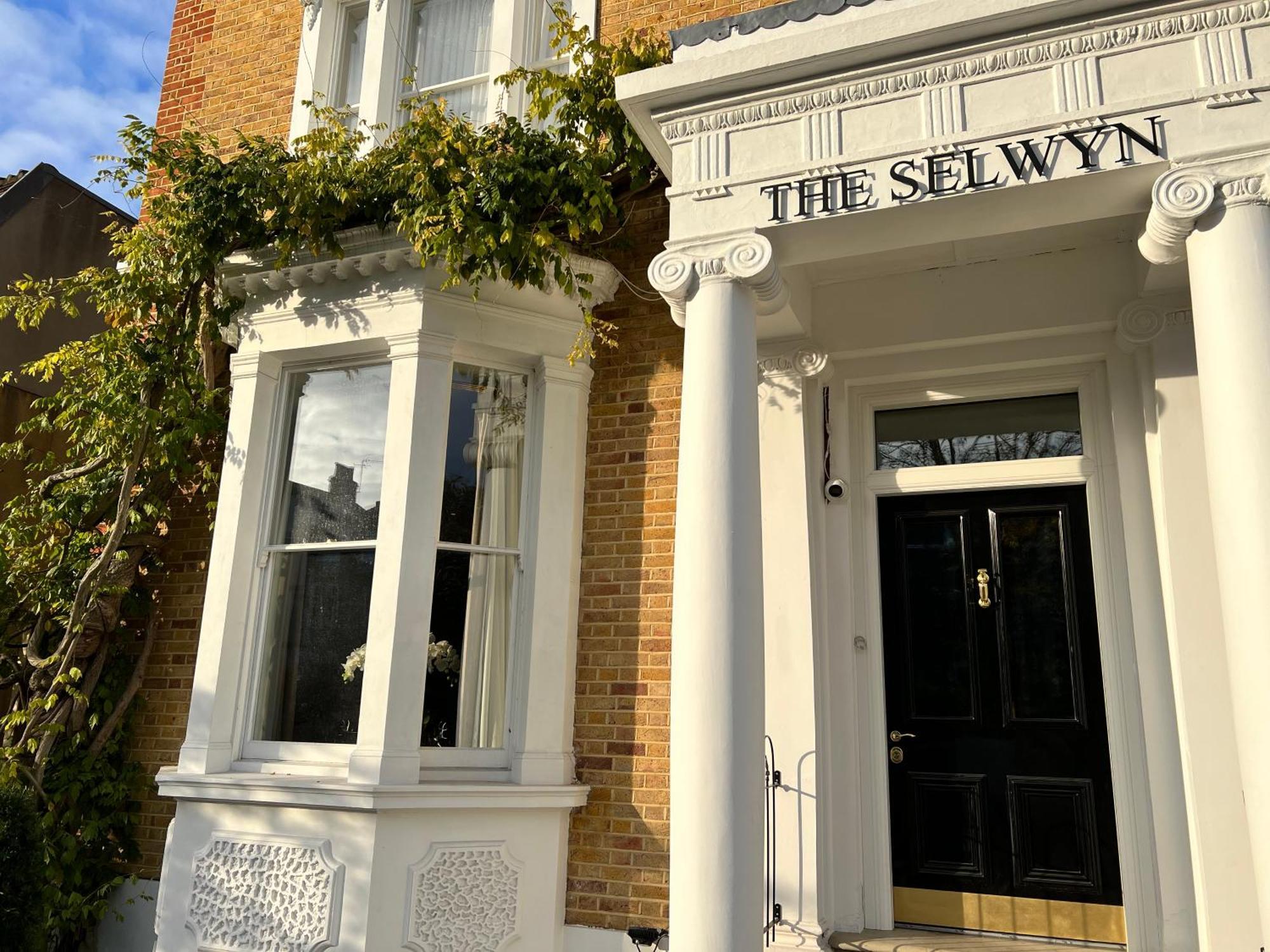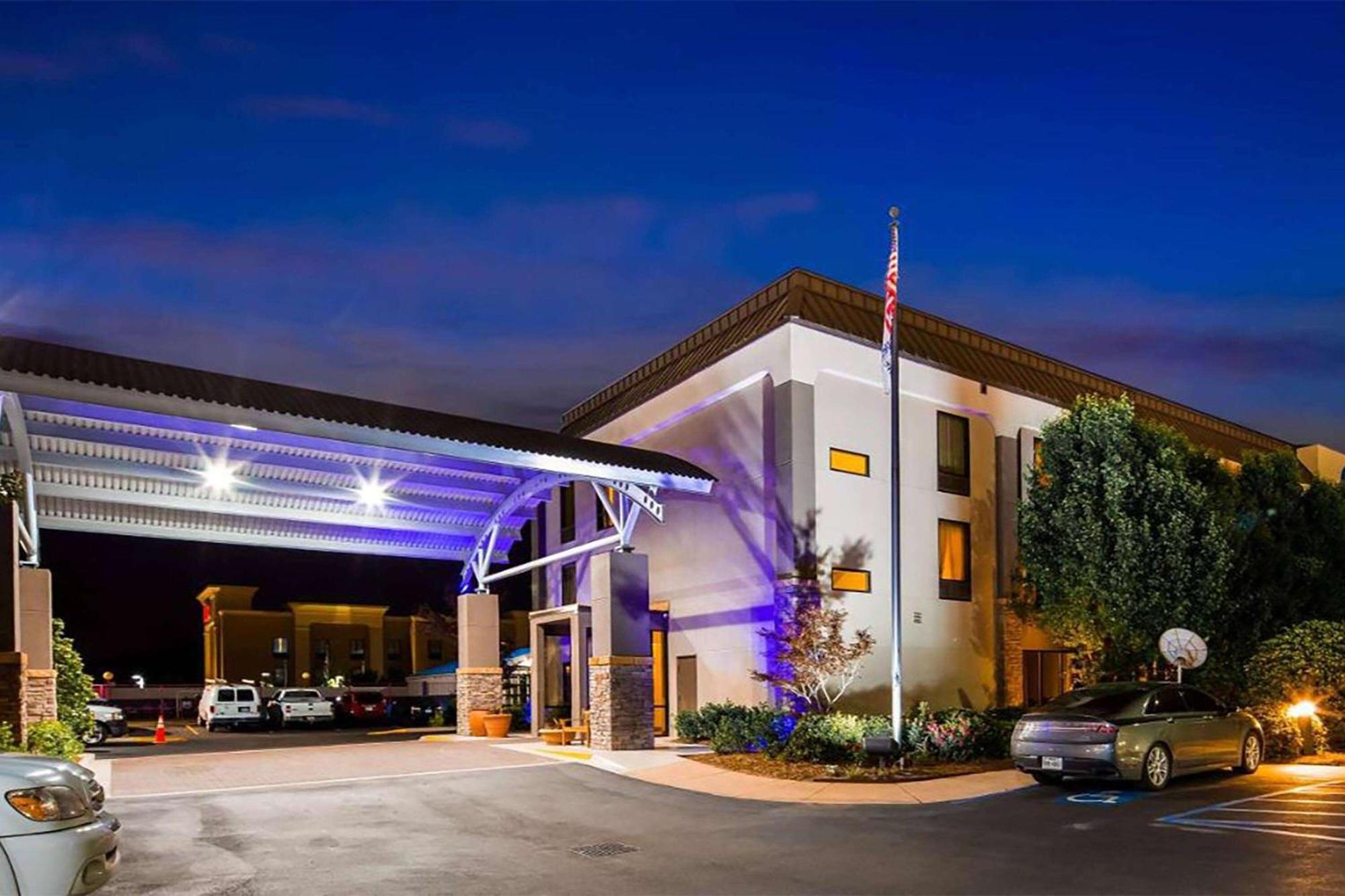
England's design hotel scene stretches far beyond London's postcode bubble - from a 15th-century inn with AA Rosette dining in the Chiltern Hills to a cricket ground hotel with balconies overlooking Old Trafford in Manchester. These properties share one quality: a deliberate, distinctive aesthetic that makes the stay itself the experience. Whether you're booking for a weekend escape, a business trip with character, or a cultural detour, England's best design-led stays offer something chain hotels structurally cannot.
What It's Like Staying in England
England is a country where a 14th-century coaching inn and a contemporary cricket ground hotel can coexist within the same travel itinerary - and both qualify as design experiences. Transport connectivity varies significantly by region: London and Manchester are served by fast rail and metro links, while destinations like Warminster, Stamford, or Great Missenden require a car or careful train planning. Crowd patterns follow predictable rhythms - city-centre hotels fill fast on event weekends, while countryside inns stay quieter mid-week even in peak months.
Travellers who benefit most from staying in England include heritage enthusiasts, food-led tourists, and those who enjoy short drives between historic market towns. Those seeking guaranteed sunshine or large resort-style facilities may find the offering more niche.
England has around 130 designated Areas of Outstanding Natural Beauty, many within an hour of major design hotels featured in this guide.
Pros:
- Exceptional variety of historic and contemporary design properties, from medieval inns to modern stadium hotels
- Strong rail network connecting major cities, making multi-stop itineraries practical without a car
- World-class cultural attractions - Tate St Ives, Chichester Cathedral, Burghley House - within walking distance or short drives of featured hotels
Cons:
- Rural design properties often require a car, and public transport connections outside cities can be infrequent
- Weekend demand spikes sharply in popular market towns like Stamford and Chichester, limiting last-minute availability
- English weather is unpredictable year-round, which affects outdoor terrace and garden experiences heavily marketed by countryside inns
Why Choose Exceptional Design Hotels in England
Design hotels in England occupy a distinct niche: they're rarely just about aesthetics. The best examples layer original architectural features - stone turrets, oak panelling, timber beams - with considered contemporary interiors that feel earned rather than applied. Pricing for design-led properties typically runs around 30% higher than standard three-star accommodation in the same town, but often includes breakfast, free parking, and character features that justify the premium. Room sizes vary considerably - a converted manor house in Yorkshire will offer substantially more space than a boutique inn room above a pub in Chichester.
The key trade-off in England's design hotel sector is atmosphere versus convenience. Properties with the strongest character - historic inns, country manor hotels - are often positioned away from city centres, adding travel time but removing urban noise. Hotels in converted historic buildings sometimes lack lifts, which matters for accessibility or heavy luggage scenarios.
Pros:
- Individually designed rooms with original architectural features not replicable in modern builds
- On-site dining in design hotels often holds AA recognition or sources hyperlocal ingredients, elevating the full stay experience
- Many properties include free parking, a meaningful cost saving versus city-centre hotels where parking can cost around £25 per night
Cons:
- Historic buildings may have low ceilings, narrow corridors, and no lift access - relevant for guests with mobility considerations
- Noise from in-house bars or event functions (weddings, live music) can affect room comfort on Friday and Saturday nights
- Room sizes in converted inns are often compact, with limited storage - less suited to longer stays with significant luggage
Practical Booking & Area Strategy
England's design hotel landscape rewards strategic positioning. In the north, Manchester's Old Trafford district places you within 2.5 miles of the city centre with direct tram access, making it a practical base for business and leisure without paying city-centre premiums. In the south, Chichester and Fareham offer easy access to Portsmouth's Historic Dockyard and the South Downs, while Warminster connects to Bath in under 30 minutes by car - useful for guests wanting Bath's attractions without Bath's hotel prices. Stamford in Lincolnshire is one of England's most architecturally intact Georgian towns, and its design hotel sits directly on the historic Great North Road, walkable to all key sights. For coastal drama, St Ives in Cornwall delivers - but book well ahead, as summer availability disappears fast. The Dartmoor and Yorkshire Pennine properties work best as part of a driving itinerary rather than a standalone destination, given limited public transport. Properties near Canterbury give access to a UNESCO World Heritage cathedral city within a short drive, ideal for cultural short breaks from London via the high-speed rail link from St Pancras.
Best Value Design Stays
These properties deliver strong design character, distinctive settings, and quality dining at price points that make them accessible for weekend breaks and mid-week escapes across England's most interesting towns and countryside.
-
1. Nags Head
Show on map


 Check-infrom 14:00 until 23:00Check-outuntil 11:00
Rooms filling fast – secure the best rate!
from£ 104
-
2. Red Lion Hotel By Greene King Inns
Show on map


 Check-infrom 14:00 until 22:00Check-outuntil 11:00
Rooms filling fast – secure the best rate!
from£ 39
-
3. Himley House By Chef & Brewer Collection
Show on map


 Check-infrom 14:00 until 22:00Check-outuntil 11:00
Just a few rooms left at the best rate!
from£ 32
-
4. The Old Bell Inn
Show on map


 Check-infrom 15:00 until 22:00Check-outuntil 10:00
Hurry – almost gone at this price!
from£ 67
-
5. The Vestry
Show on map


 Check-infrom 14:00 until 22:00Check-outuntil 11:00
Best price guarantee
from£ 48
-
6. Dartbridge Inn By Greene King Inns
Show on map


 Check-infrom 14:00 until 22:00Check-outfrom 08:00 until 11:00
Rooms filling fast – secure the best rate!
from£ 60
-
7. The Briar Court Hotel
Show on map


 Check-infrom 14:00 until 23:59Check-outuntil 11:00
Just a few rooms left at the best rate!
from£ 44
-
8. Saracens Head Hotel By Greene King Inns
Show on map


 Check-infrom 14:00 until 22:00Check-outuntil 11:00
Best price guarantee
from£ 62
Best Premium Design Stays
These properties deliver elevated design experiences - manor houses, historic inns with national recognition, spa facilities, and landmark settings - that justify higher nightly rates through the depth and quality of what they offer on site.
-
9. Hilton Garden Inn Manchester Emirates Old Trafford
Show on map


 Check-infrom 15:00 until 23:59Check-outuntil 12:00
Just a few rooms left at the best rate!
from£ 75
-
10. Cave Castle Hotel
Show on map


 Check-infrom 15:00 until 23:59Check-outuntil 10:00
Hurry – almost gone at this price!
from£ 85
-
11. The George Hotel Of Stamford
Show on map


 Check-infrom 14:30 until 23:59Check-outuntil 11:00
Best price guarantee
from£ 211
-
12. Broome Park Hotel
Show on map


 Check-infrom 15:00 until 23:59Check-outuntil 10:00
Best price guarantee
from£ 126
-
13. Nottingham Belfry Hotel & Spa
Show on map


 Check-infrom 15:00 until 23:59Check-outuntil 11:00
Best price guarantee
from£ 71
-
14. Cambridge Belfry Hotel & Spa
Show on map


 Check-infrom 15:00 until 23:59Check-outuntil 11:00
Just a few rooms left at the best rate!
from£ 80
-
15. Pedn-Olva
Show on map


 Check-infrom 15:00 until 23:59Check-outuntil 11:00
Hurry – almost gone at this price!
from£ 237
Smart Travel & Timing Advice for England Design Hotels
England's design hotel market peaks sharply between late May and early September, when countryside inns, coastal properties like Pedn-Olva in St Ives, and heritage towns like Stamford and Chichester see availability shrink and rates climb by around 40% compared to off-peak months. Booking at least 8 weeks ahead is advisable for summer weekends at any property featured in this guide, particularly those near major events - Silverstone race weekends, cricket internationals at Old Trafford, and Chichester Festival Theatre season all compress local supply significantly. Mid-week stays from Tuesday to Thursday consistently offer the best value across English design hotels, with quieter bars, more attentive service, and lower rates. Autumn - September through November - is arguably the strongest season for countryside stays: the Dartmoor, Chilterns, and Yorkshire Pennines properties deliver outstanding landscape colour with meaningfully reduced crowds. Winter breaks at manor houses and historic inns offer open-fire atmosphere at their peak, and Christmas-period availability at properties like Cave Castle or The George of Stamford sells out months in advance. For coastal Cornwall, avoid August entirely unless booked well ahead - St Ives reaches near-capacity and parking becomes a serious logistical issue. A minimum of two nights makes sense at any destination property; single-night stays rarely allow guests to make use of on-site dining, spa facilities, or the surrounding area properly.