England's historical hotels range from 16th-century coaching inns to 17th-century manor estates, offering stays that combine genuine architectural heritage with modern amenities. Unlike standard hotels, these properties sit inside Grade II listed buildings, former private residences, and centuries-old inns - each with a documented history that shapes the guest experience. Whether you're tracing Oliver Cromwell's roots in Huntingdon, following Guy Fawkes' birthplace in York, or exploring the Jurassic Coast from a New Forest country house, this guide covers 15 historically rooted properties across England to help you choose the right one.
What It's Like Staying in England
England packs an extraordinary density of history, coastline, and countryside into a relatively compact landmass - you can travel from York to London in under 2 hours by train, making multi-city itineraries genuinely practical. Transport infrastructure is strong in the South East and Midlands but thinner in Cumbria and rural East Sussex, so car hire becomes essential in those regions. Crowd patterns follow school holidays and bank holidays sharply, with peak pressure in summer at heritage towns like Canterbury, York, and Lewes.
Historical accommodation is concentrated in market towns and cathedral cities, meaning many heritage stays put you within walking distance of the very sites that shaped England's past. City-break travelers, heritage enthusiasts, and couples seeking countryside escapes benefit most from basing themselves here; budget backpackers or nightlife seekers would likely find better value elsewhere.
Pros:
- Dense network of heritage sites, castles, and cathedrals reachable within a short drive or rail journey
- Historical town centres are walkable and pedestrian-friendly in most cases
- Strong pub and real ale culture embedded directly in many historical hotel properties
Cons:
- Peak summer crowds at popular towns like York and Canterbury can push accommodation prices up sharply
- Rural areas like Cumbria and the New Forest require a car - public transport is limited
- Listed building status often means no lifts and limited accessibility in older properties
Why Choose Historical Hotels in England
Historical hotels in England aren't simply aesthetic choices - they frequently occupy the most strategically located buildings in a town, placing guests metres from cathedrals, castle gates, and high streets that have existed for centuries. Room sizes in converted coaching inns and manor houses vary significantly, with ground-floor or annexe rooms often larger than attic-level rooms that carry the most character. Pricing across this category spans from around £80 per night at a traditional inn to well over £200 at a country estate with spa facilities - the gap reflects access to leisure amenities more than historical authenticity.
The key trade-off in this category is noise versus atmosphere. Inns in active town centres operate bars serving locals until late, which can affect lighter sleepers in street-facing rooms. Estate and country house properties offer more tranquility but require transport for dining and sightseeing beyond the grounds. For heritage travelers, the practical upside is consistent: staying in the building where history happened removes the need to visit it separately.
Pros:
- Central locations in historic towns mean key attractions are within walking distance
- Many properties include period features - log fires, oak beams, flagstone floors - at no premium over standard hotels
- On-site restaurants typically source locally and serve traditional British cuisine aligned with the property's heritage
Cons:
- Bar noise from in-house or public trade can reach upper floors in active coaching inns
- Listed building restrictions mean no lifts in several properties, limiting accessibility
- Country estate hotels hosting weekend weddings may generate late-night noise - always check event calendars before booking
Practical Booking & Area Strategy
England's historical hotels cluster in three main zones worth understanding before booking. The South East - Kent, East Sussex, and the surrounds of Canterbury - gives easy access to Leeds Castle, Chatham Historic Dockyard, and the medieval town of Rye, all reachable within around 30 minutes by car. The North - York and Cumbria - puts guests near York Minster, Hadrian's Wall, and the Lake District, with Carlisle and York both served by direct trains from London King's Cross. The Midlands and East offer a middle ground, with Huntingdon sitting 25 minutes from Cambridge and properties near Nuneaton giving quick access to the Battle of Bosworth Field and Coventry.
Book at least 8 weeks ahead for summer stays in York and Lewes, where historical properties sell out fast around festivals and bank holidays. For country estates in Kent and the New Forest, last-minute mid-week availability is often possible outside school holidays. Positioning in a market town rather than a rural estate saves significantly on transport costs if you plan to visit multiple heritage sites. Properties near rail stations - such as those in Huntingdon, Plymouth, and York - make car-free itineraries entirely viable.
Best Value Historical Stays
These properties deliver authentic historical character, strong central positioning, and practical amenities at accessible price points - covering coaching inns, former residences, and character-rich town-centre hotels across England.
-
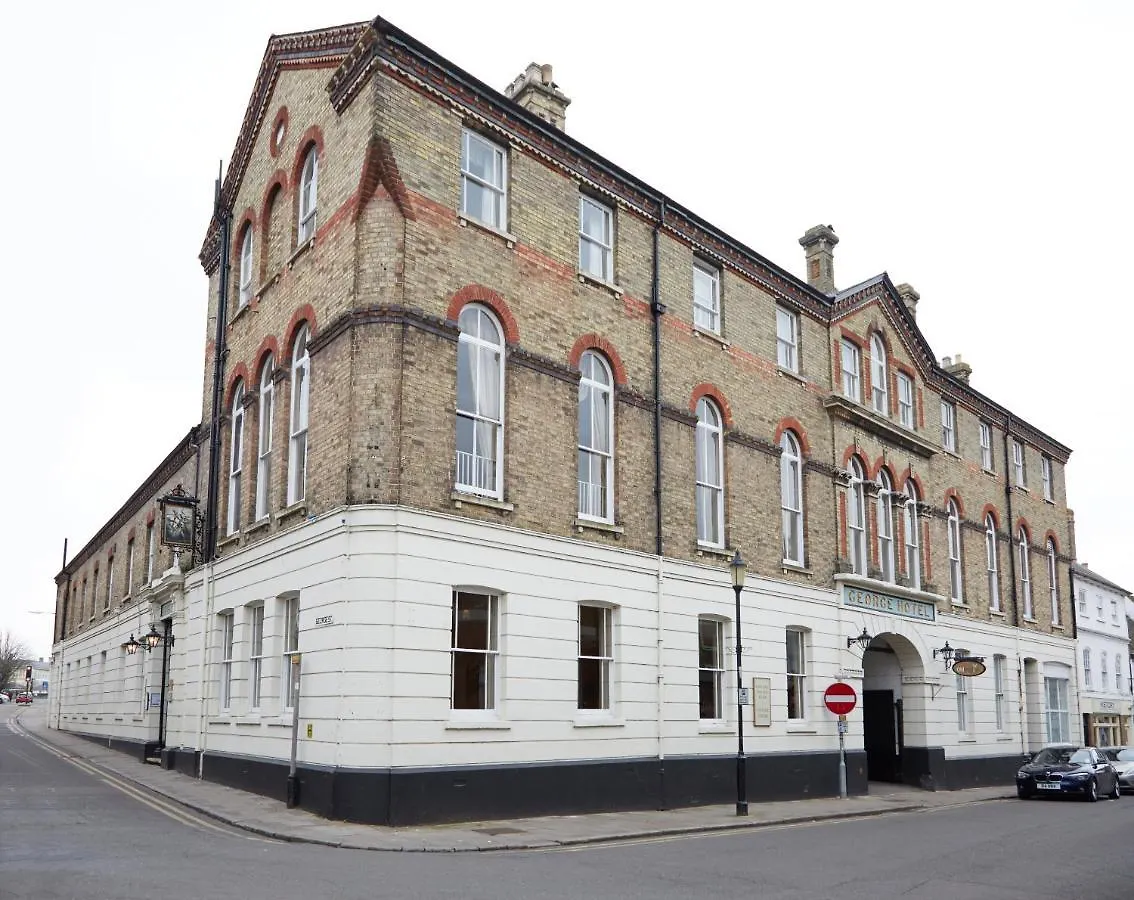
1. George Hotel By Greene King Inns
Show on map


 Check-infrom 14:00 until 22:00Check-outuntil 11:00
Best price guarantee
from£ 61
-
2. Guy Fawkes Inn
Show on map


 Check-infrom 16:00 until 22:30Check-outfrom 07:00 until 11:00
Hurry – almost gone at this price!
from£ 160
-
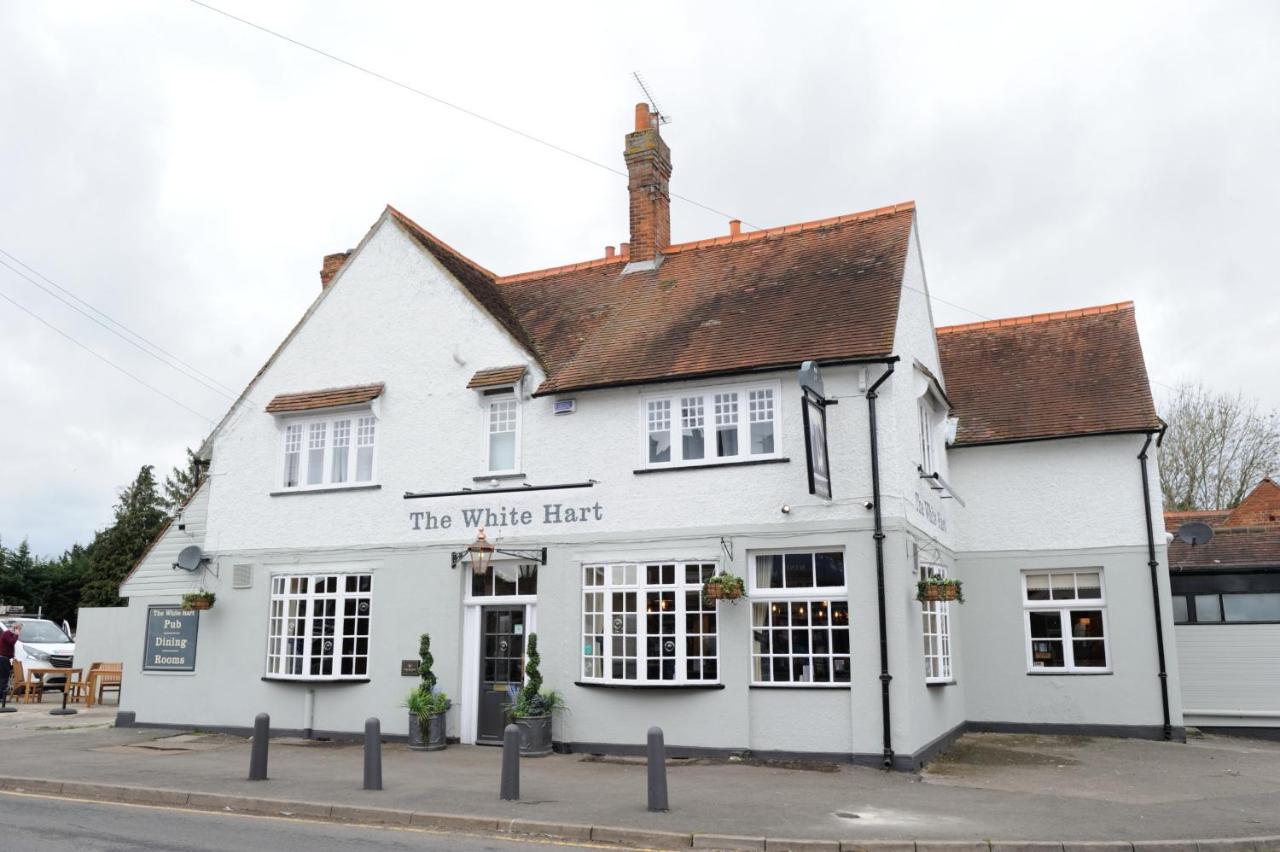
3. The White Hart - A Heartwood Inn
Show on map


 Check-infrom 15:00 until 23:59Check-outuntil 11:00
Best price guarantee
from£ 66
-
4. The Green Dragon Hotel
Show on map


 Check-infrom 15:00 until 23:59Check-outuntil 11:00
Rooms filling fast – secure the best rate!
from£ 61
-
5. The Lookout Rye
Show on map


 Check-infrom 15:00 until 22:00Check-outfrom 08:00 until 11:00
Best price guarantee
from£ 102
-
6. Howard Arms
Show on map


 Check-infrom 15:00 until 23:59Check-outuntil 11:00
Best price guarantee
from£ 104
-
7. The Longshoot
Show on map


 Check-infrom 14:00 until 22:00Check-outuntil 11:00
Rooms filling fast – secure the best rate!
from£ 38
-
8. The White Buck
Show on map


 Check-infrom 15:00 until 21:30Check-outfrom 08:00 until 11:00
Just a few rooms left at the best rate!
from£ 167
-
9. Seacote Hotel
Show on map


 Check-infrom 15:30 until 21:30Check-outuntil 10:00
Best price guarantee
from£ 50
Best Premium Historical Stays
These properties offer the full historical estate or manor experience, combining period architecture with spa access, fine dining, championship grounds, and multi-room accommodation - suited to guests seeking a destination stay rather than simply a base.
-
10. Cave Castle Hotel
Show on map


 Check-infrom 15:00 until 23:59Check-outuntil 10:00
Hurry – almost gone at this price!
from£ 85
-
11. Bridgewood Manor Hotel & Spa
Show on map


 Check-infrom 15:00 until 23:59Check-outfrom 10:00 until 11:00
Best price guarantee
from£ 66
-
12. Cambridge Belfry Hotel & Spa
Show on map


 Check-infrom 15:00 until 23:59Check-outuntil 11:00
Best price guarantee
from£ 80
-
13. Broome Park Hotel
Show on map


 Check-infrom 15:00 until 23:59Check-outuntil 10:00
Just a few rooms left at the best rate!
from£ 126
-
14. Holiday Inn Sittingbourne By Ihg
Show on map


 Check-infrom 14:00 until 23:59Check-outuntil 12:00
Hurry – almost gone at this price!
from£ 49
-
15. Leonardo Hotel Plymouth
Show on map


 Check-infrom 15:00 until 23:59Check-outuntil 11:00
Just a few rooms left at the best rate!
from£ 49
Smart Timing & Booking Advice for Historical Hotels in England
England's historical hotels follow a predictable seasonal rhythm that directly affects both availability and pricing. July and August are the peak months across all regions, with York, Canterbury, and Lewes experiencing the highest room demand - properties like Guy Fawkes Inn and The White Hart sell out weeks in advance during summer festivals and school holidays. Coastal properties such as Seacote Hotel in St Bees and The White Buck in the New Forest see strong demand from late May through early September, driven by walkers, cyclists, and families. Conversely, winter months bring genuine bargains: country estates like Cave Castle and Broome Park often offer mid-week availability well below peak rates, and the atmosphere of log fires and open fireplaces is arguably at its best from November through February.
For Kent-based properties - Bridgewood Manor, Broome Park, and Holiday Inn Sittingbourne - spring (April to early June) offers a strong balance of lower prices and good weather for exploring Leeds Castle and Canterbury Cathedral without summer crowds. Booking around 8 weeks ahead is the practical threshold for securing preferred room types at historical inns; leaving it shorter risks losing character rooms with landmark views or period features to standard configurations. A minimum stay of 2 nights makes sense for estate and country house properties, where leisure facilities, dining, and grounds genuinely reward slower pacing rather than a single overnight stop.