Rio Grande National Forest spans over 1.8 million acres across south-central Colorado, making your choice of base town critical. Travelers searching for centrally located hotels near Rio Grande National Forest are typically planning outdoor-heavy itineraries - hiking the Continental Divide, fishing the Rio Grande headwaters, skiing Monarch Mountain, or exploring the San Luis Valley. This guide cuts through the noise to show exactly which hotels put you closest to the action, what you get for your money in each town, and how to book smart for Colorado's unpredictable seasons.
What It's Like Staying Near Rio Grande National Forest
Staying near Rio Grande National Forest means basing yourself in one of several gateway towns - Alamosa, Salida, Durango, or Gunnison - each sitting within striking distance of the forest's trails, rivers, and high-altitude passes. There is no lodging inside the forest itself, so your hotel's town location determines your daily drive time to trailheads, which can range anywhere up to around 45 minutes depending on which zone you're targeting. Crowds concentrate heavily between June and August, with summer weekends filling gateway-town hotels fast, especially around popular access points like Spring Creek Pass and the Weminuche Wilderness boundary.
Pros:
- Gateway towns like Salida and Durango offer full services - restaurants, gear shops, and medical facilities - within walking distance of most hotels
- Alamosa and Gunnison provide significantly lower nightly rates than mountain resort towns, making multi-night stays affordable
- Centrally positioned hotels give access to multiple forest entry points without committing to one trailhead
Cons:
- No hotel sits inside the forest boundary, so daily drives to remote trailheads are unavoidable
- Summer weekends in Durango and Salida see hotels book out weeks in advance, reducing last-minute flexibility
- Cell service is unreliable once inside the forest, requiring all logistics to be planned from your hotel the night before
Why Choose Centrally Located Hotels Near Rio Grande National Forest
Centrally located hotels in the Rio Grande National Forest gateway towns position you on main highways - primarily US-50 and US-160 - which are the actual arteries into and out of the forest. Unlike remote cabins or dispersed camping, a central hotel gives you a reliable base with plumbing, consistent WiFi for trail research, and proximity to town amenities after a full day in the backcountry. Nightly rates in Alamosa and Gunnison run noticeably lower than Durango, often by around 30%, making them strategic choices for budget-conscious travelers who don't mind a longer morning drive. The trade-off is that Durango's central hotels place you closest to the Weminuche Wilderness - the most visited section of Rio Grande National Forest - while Salida hotels give fastest access to the Arkansas River corridor and Monarch Mountain.
Pros:
- Highway-adjacent positioning means early morning departures to trailheads without navigating unfamiliar back roads in the dark
- Free parking is standard at most central hotels in these towns, critical for travelers arriving with gear-loaded vehicles
- On-site amenities like hot tubs and breakfast buffets speed up recovery after high-altitude hiking days
Cons:
- Highway-facing rooms in Salida and Durango can experience road noise, particularly on US-50 and US-160 during summer traffic surges
- Central hotels in Durango sell out fastest during Narrow Gauge Railroad event weekends, which are distinct from general summer peaks
- Few central hotels in these towns offer on-site laundry, a real inconvenience on multi-night backcountry-adjacent trips
Practical Booking & Area Strategy for Rio Grande National Forest
For access to the southern and western sections of Rio Grande National Forest - including the Weminuche Wilderness and the Continental Divide Trail - Durango is your strongest base, with the Durango-La Plata County Airport just 22 km from town, simplifying fly-drive logistics. Salida anchors the northern approach corridor along US-50, putting travelers within reach of Monarch Mountain (33 km) and Brown's Canyon National Monument for whitewater rafting on the Arkansas River. Alamosa sits at the floor of the San Luis Valley and serves travelers targeting the southern forest boundary and Great Sand Dunes National Park, which lies around 35 km northeast of town. Gunnison, positioned on the northern edge of the broader region, is the closest gateway to Crested Butte's trail network and the Gunnison River. Book at least 6 weeks ahead for any summer weekend stay in Durango or Salida - both towns experience near-full occupancy from late June through Labor Day. Spring (April-May) and fall (September-October) offer the best combination of trail accessibility, moderate temperatures, and lower hotel rates across all four gateway towns.
Best Value Stays
These properties offer strong practicality for outdoor-focused travelers - free parking, included breakfast, and highway access - at rates that make multi-night stays viable across the Rio Grande National Forest gateway towns.
-
1. Wapiti Lodge
Show on map


 Check-infrom 15:00 until 23:30Check-outfrom 03:00 until 11:00
Just a few rooms left at the best rate!
fromUS$ 59
-
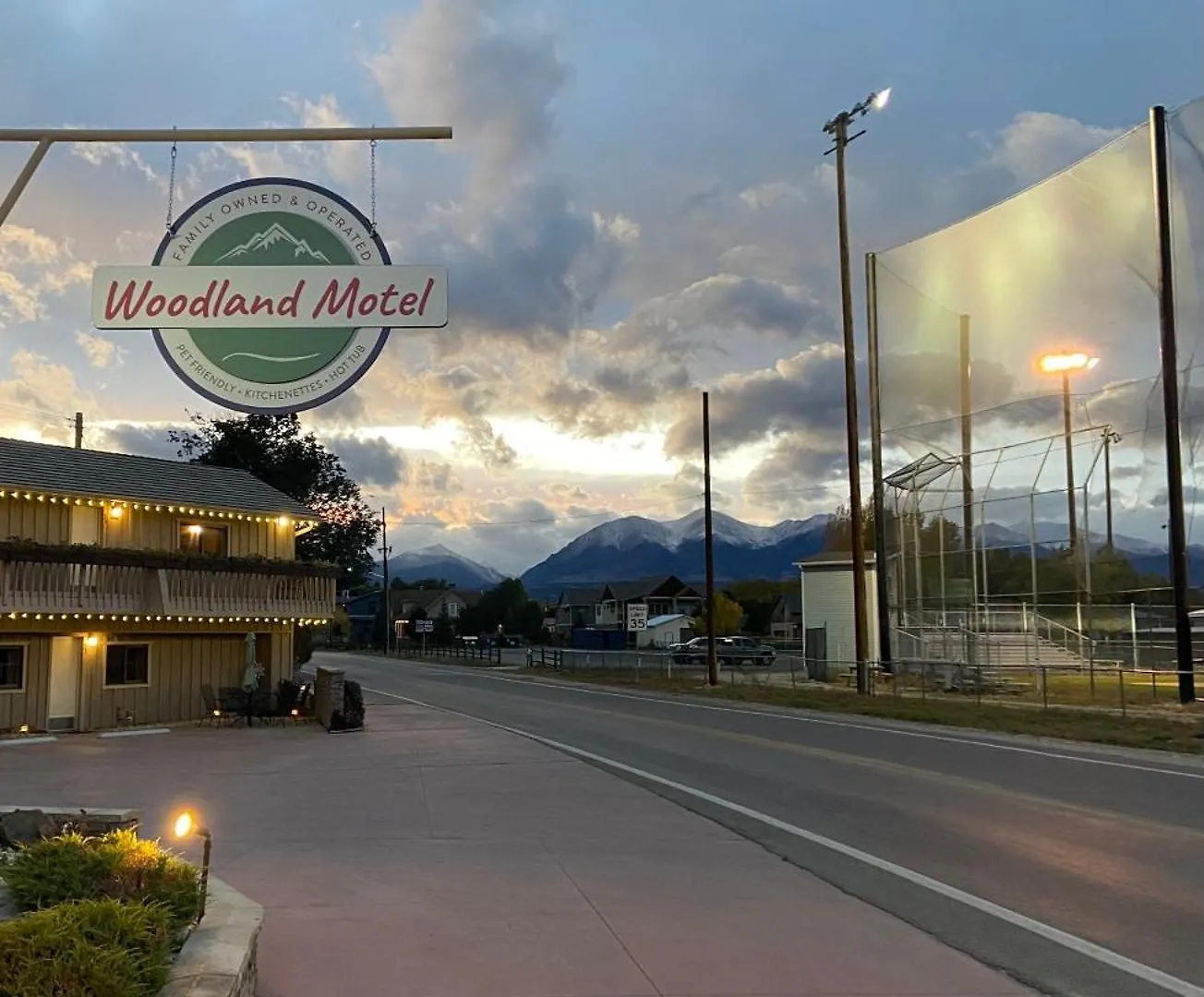
2. Woodland Motel
Show on map


 Check-infrom 15:00 until 21:00Check-outfrom 08:00 until 11:00
Just a few rooms left at the best rate!
fromUS$ 116
-
3. The Sunset Inn
Show on map


 Check-infrom 16:00 until 23:00Check-outfrom 06:00 until 11:00
Just a few rooms left at the best rate!
fromUS$ 69
-
4. The Wanderlust Hostel
Show on map


 Check-infrom 15:00 until 23:59Check-outuntil 11:00
Hurry – almost gone at this price!
fromUS$ 32
Best Mid-Range & Premium Picks
These properties add structured amenities - indoor pools, hot breakfast, meeting facilities, and highway-central positioning - that justify a higher nightly rate for travelers who want more comfort after demanding days in the backcountry.
-
5. Browns Canyon Inn
Show on map


 Check-infrom 15:00 until 22:00Check-outuntil 11:00
Hurry – almost gone at this price!
fromUS$ 80
-
6. Comfort Inn Salida
Show on map


 Check-infrom 15:00 until 23:59Check-outuntil 11:00
Rooms filling fast – secure the best rate!
fromUS$ 103
-
7. Quality Inn Gunnison-Crested Butte
Show on map


 Check-infrom 14:00 until 23:59Check-outuntil 11:00
Rooms filling fast – secure the best rate!
fromUS$ 75
Smart Travel & Timing Advice for Rio Grande National Forest
July and August are peak months across all four gateway towns, with Durango and Salida experiencing the highest hotel occupancy due to Narrow Gauge Railroad tourism and Arkansas River rafting season respectively. Prices in Durango during peak summer can run around 40% higher than the same property in May or September. The shoulder seasons - late May through mid-June and mid-September through October - offer the best practical balance: most high trails are snow-free, wildflowers are active in June, and fall foliage in the San Juan Mountains peaks in late September, drawing photographers and hikers without the full summer crowd density. Plan a minimum of 3 nights to justify gateway-town logistics - any shorter and the daily drive times to forest interiors consume too large a proportion of your trip. For winter ski-focused stays near Monarch Mountain, book Salida hotels at least 8 weeks in advance for holiday-period weekends, as inventory is genuinely limited. Last-minute summer bookings in Gunnison and Alamosa remain more realistic than in Durango, where demand from Weminuche Wilderness backpackers and railroad tourists converges.