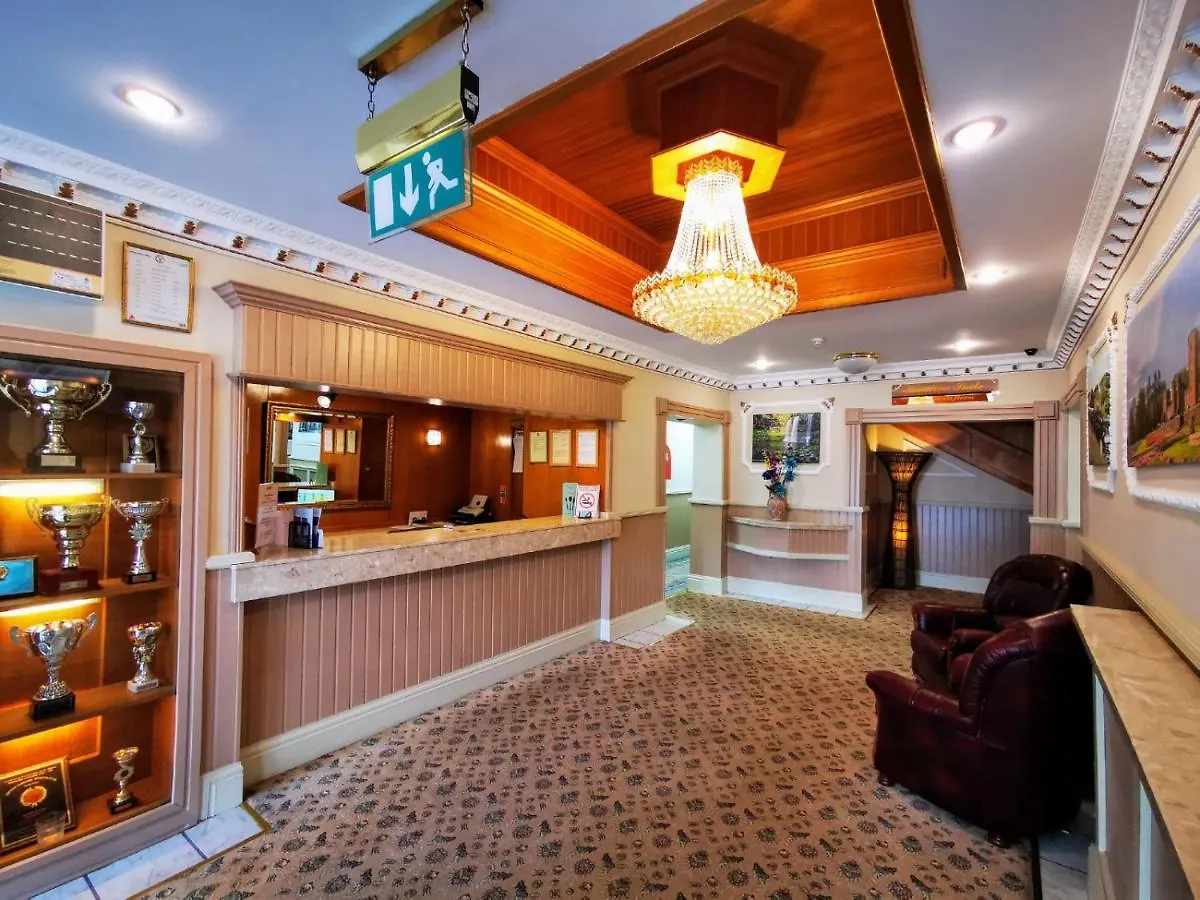
The Brecon Beacons National Park covers around 1,350 square kilometres of upland Wales, stretching across market towns like Brecon, Crickhowell, and Merthyr Tydfil. Staying centrally in one of these towns puts you within walking distance of local pubs, independent restaurants, and trailheads - without needing a car for every errand. This guide compares four centrally located hotels across the Brecon Beacons area to help you match your base to your itinerary.
What It's Like Staying in the Brecon Beacons
The Brecon Beacons attracts walkers, dark sky enthusiasts, and weekend escapees from Bristol, Cardiff, and the English Midlands. Most visitors arrive by car, as public transport between towns is infrequent - buses between Brecon and Merthyr Tydfil run only a few times daily. Town centres in Brecon and Crickhowell are compact and walkable, but the national park's main trails often require driving to the trailhead. Weekends from April through October see the highest footfall, while midweek stays in winter offer a noticeably quieter, more atmospheric experience.
Staying centrally in a Brecon Beacons town means you can walk to dinner and pubs without worrying about driving rural roads after dark - a practical advantage often underestimated by first-time visitors. That said, if your priority is remote countryside immersion, a town-centre hotel may feel slightly disconnected from the raw landscape.
Pros:
Town-centre locations allow evening dining and pub visits on foot, avoiding dark rural roads
Central hotels in Brecon and Crickhowell sit close to river walks and local markets
Easier access to breakfast cafés, gear shops, and visitor information before morning hikes
Cons:
Weekend noise from pubs and foot traffic can affect lighter sleepers
Car still required for most national park trailheads and viewpoints
Peak summer weekends book up around 6 weeks in advance, limiting last-minute flexibility
Why Choose a Central Hotel in the Brecon Beacons
Central hotels in the Brecon Beacons towns tend to occupy historic coaching inns, Victorian townhouses, or converted market-town properties - giving them a character that purpose-built rural lodges typically lack. Rates at central properties here generally run lower than comparable rural retreats, often sitting under £120 per night for a double room outside peak summer weekends. Room sizes vary considerably: older coaching inns can offer surprisingly generous rooms with period features, while smaller guesthouses may have more compact layouts. The trade-off with central positioning is occasional weekend crowd noise, particularly around pub closing time in market towns like Crickhowell and Brecon town centre.
For travellers combining walking with evening meals and local pub culture, a centrally located hotel removes the need for a designated driver every night - a meaningful practical advantage in a region where rural driving after dark on single-track lanes is genuinely demanding. Families benefit from easy access to town amenities, while couples on short breaks can move fluidly between the town and the park.
Pros:
Historic building character not found in modern rural lodges
Walking distance to restaurants, pubs, and local markets
Generally more competitive nightly rates than isolated countryside retreats
Cons:
Weekend pub and event noise possible in ground-floor or street-facing rooms
Parking can be limited at peak times in Brecon and Crickhowell town centres
Less immersive countryside atmosphere than a farmhouse or rural B&B
Practical Booking & Area Strategy for the Brecon Beacons
The Brecon Beacons region spans several distinct bases, each with a different character. Brecon town sits near the northern edge of the national park, close to the Beacons reservoir and Pen y Fan access routes via the Storey Arms. Crickhowell, on the A40 corridor, is a smaller, more refined market town with a strong independent food scene and direct access to the Black Mountains. Merthyr Tydfil lies at the southern gateway, closer to Cardiff (around 40 minutes by car) and better positioned for travellers combining the Beacons with a city stop. Usk, in Monmouthshire, sits east of the national park and suits travellers exploring the Wye Valley and Raglan Castle alongside the Beacons. Choosing your base town based on your planned trails and activities matters more here than in most UK destinations, given the park's size. For the Pen y Fan horseshoe or Brecon town market, stay in Brecon. For the Sugar Loaf, Table Mountain, and the Usk Valley Walk, Crickhowell or Usk work better. Book at least 5 weeks ahead for Bank Holiday weekends, when availability across all four towns tightens sharply. Midweek stays in March or November offer the best combination of low rates and manageable trail crowds.
Best Value Stays
These properties offer strong central positioning in their respective towns at competitive rates, with practical facilities suited to walkers and weekend visitors to the Brecon Beacons.
-
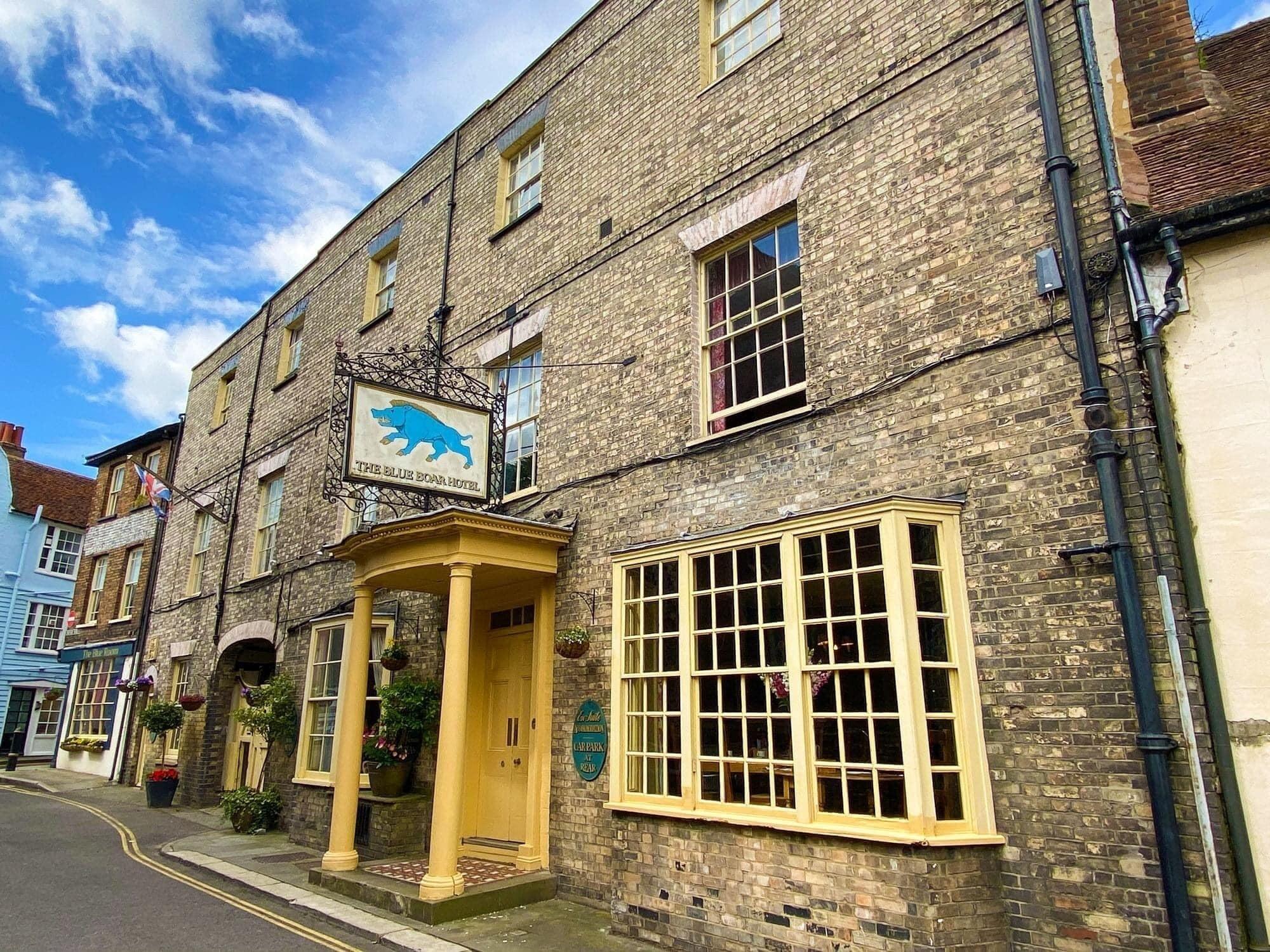
1. Castle Hotel
Show on map


 Check-infrom 14:00 until 23:59Check-outuntil 11:00
Just a few rooms left at the best rate!
from£ 66
-
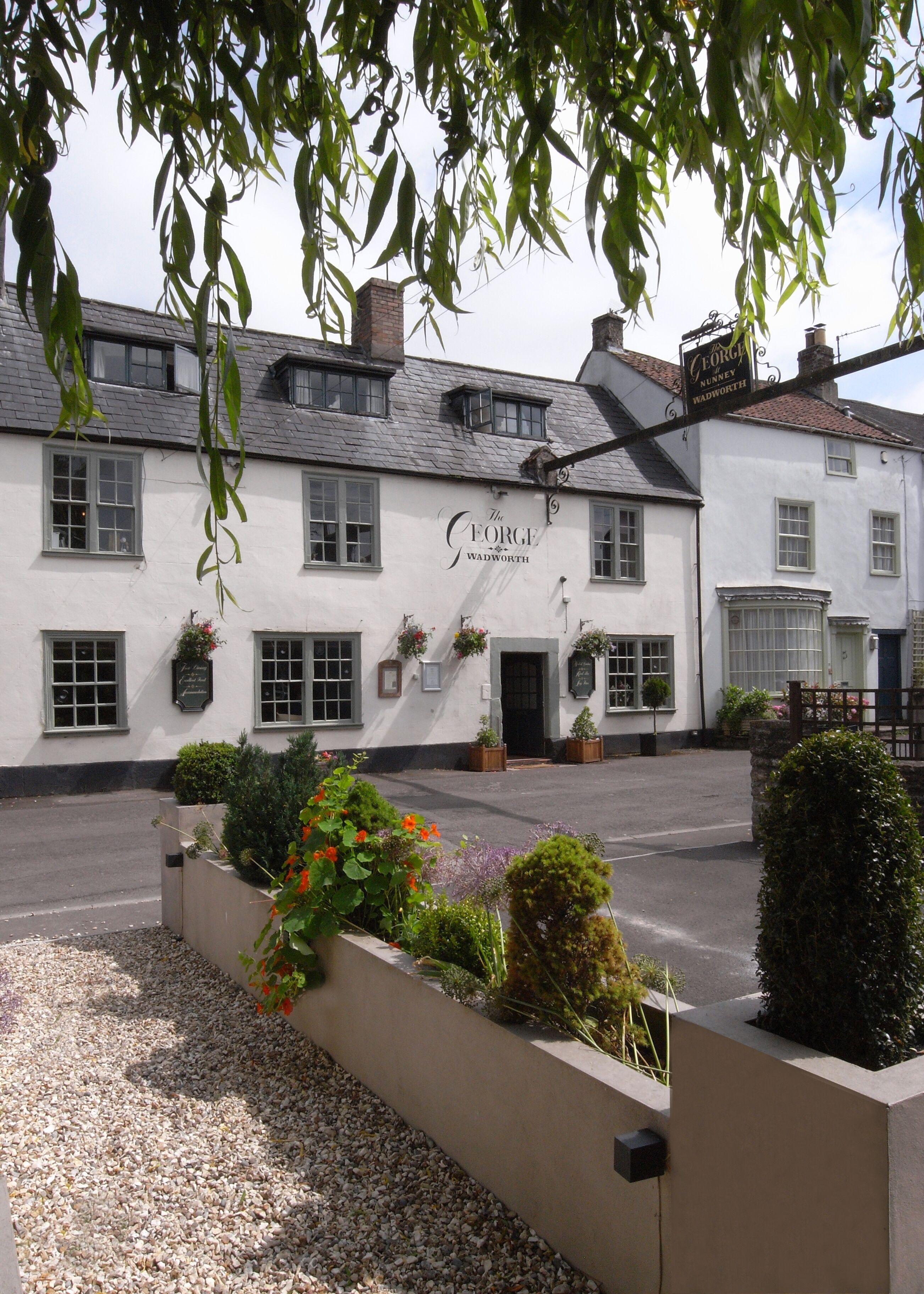
2. Glen-Yr-Afon House Hotel
Show on map


 Check-infrom 15:00 until 23:59Check-outfrom 06:00 until 10:00
Just a few rooms left at the best rate!
from£ 256
Best Premium Stays
These two properties are among the most established and recognised hotels in their respective Brecon Beacons towns, offering historic character, award-winning food, and well-rounded facilities at a step above standard accommodation.
-
3. The Castle Of Brecon Hotel, Brecon, Powys - The Coaching Inn Group
Show on map


 Check-infrom 15:00 until 23:00Check-outfrom 07:00 until 11:00
Hurry – almost gone at this price!
from£ 66
-
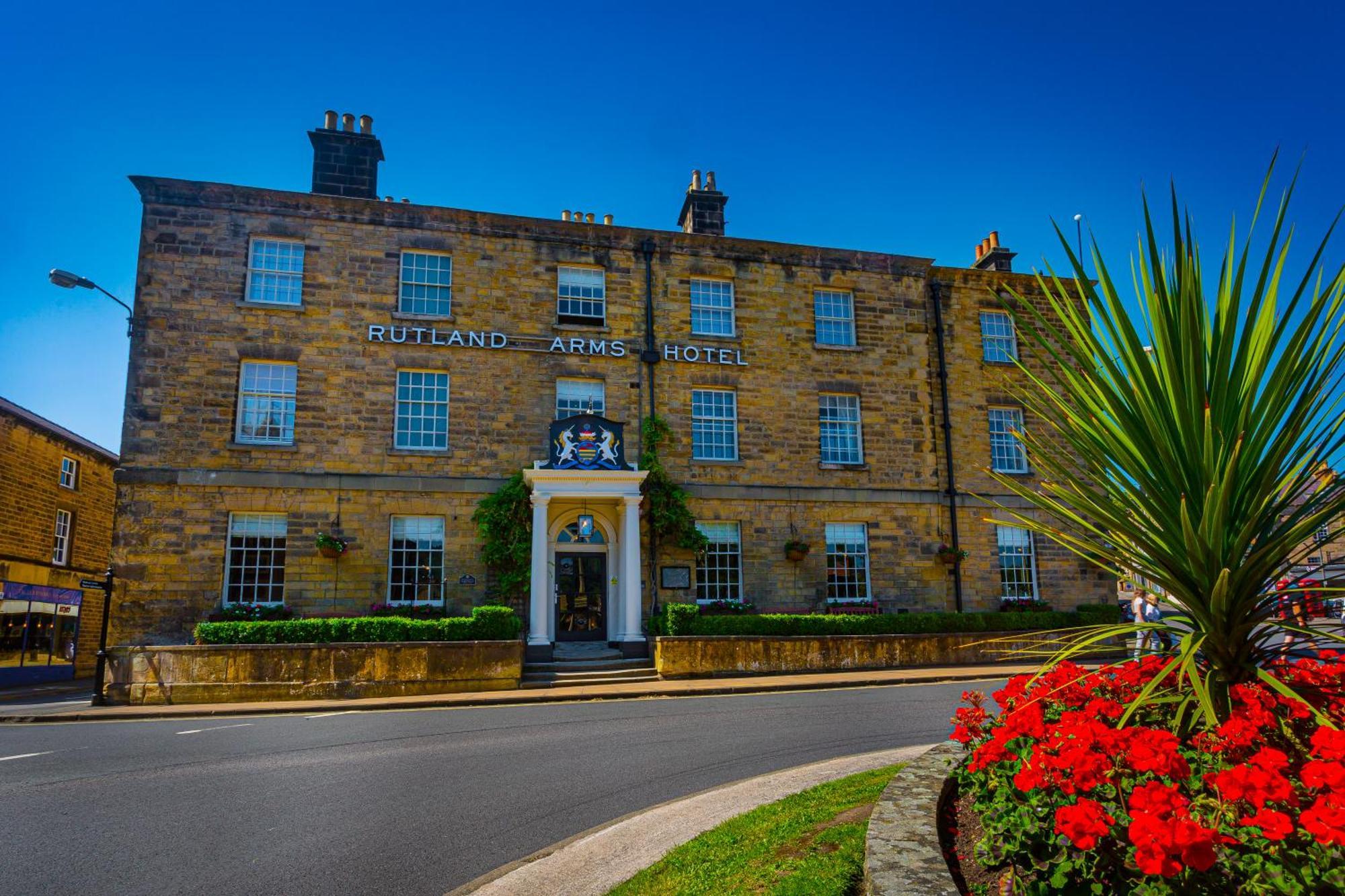
4. Bear Crickhowell
Show on map


 Check-infrom 15:00 until 23:59Check-outfrom 07:00 until 11:00
Rooms filling fast – secure the best rate!
from£ 118
Smart Travel & Timing Advice for the Brecon Beacons
The Brecon Beacons sees its highest visitor volumes between late May and early September, driven by school holidays, walking festival events, and the Green Man music festival held near Crickhowell each August. August Bank Holiday weekend is the single most competitive booking period across the region - availability at all four hotels in this guide can disappear around 8 weeks in advance. Shoulder seasons - specifically late March through May and September through October - offer the best balance of reliable weather, manageable trail crowds, and mid-week room rates that can run noticeably lower than peak-season prices. Winter stays from November through February are the quietest, with atmospheric low-light conditions favoured by photographers and dark sky observers; the Brecon Beacons is an International Dark Sky Reserve, and winter nights offer the clearest stargazing. A minimum of two nights is the practical standard for any meaningful exploration - one full day for a major summit like Pen y Fan and a second for a valley or market town experience. Last-minute bookings in winter carry relatively low risk outside of Christmas and New Year periods, but summer flexibility is almost non-existent at well-reviewed central properties.