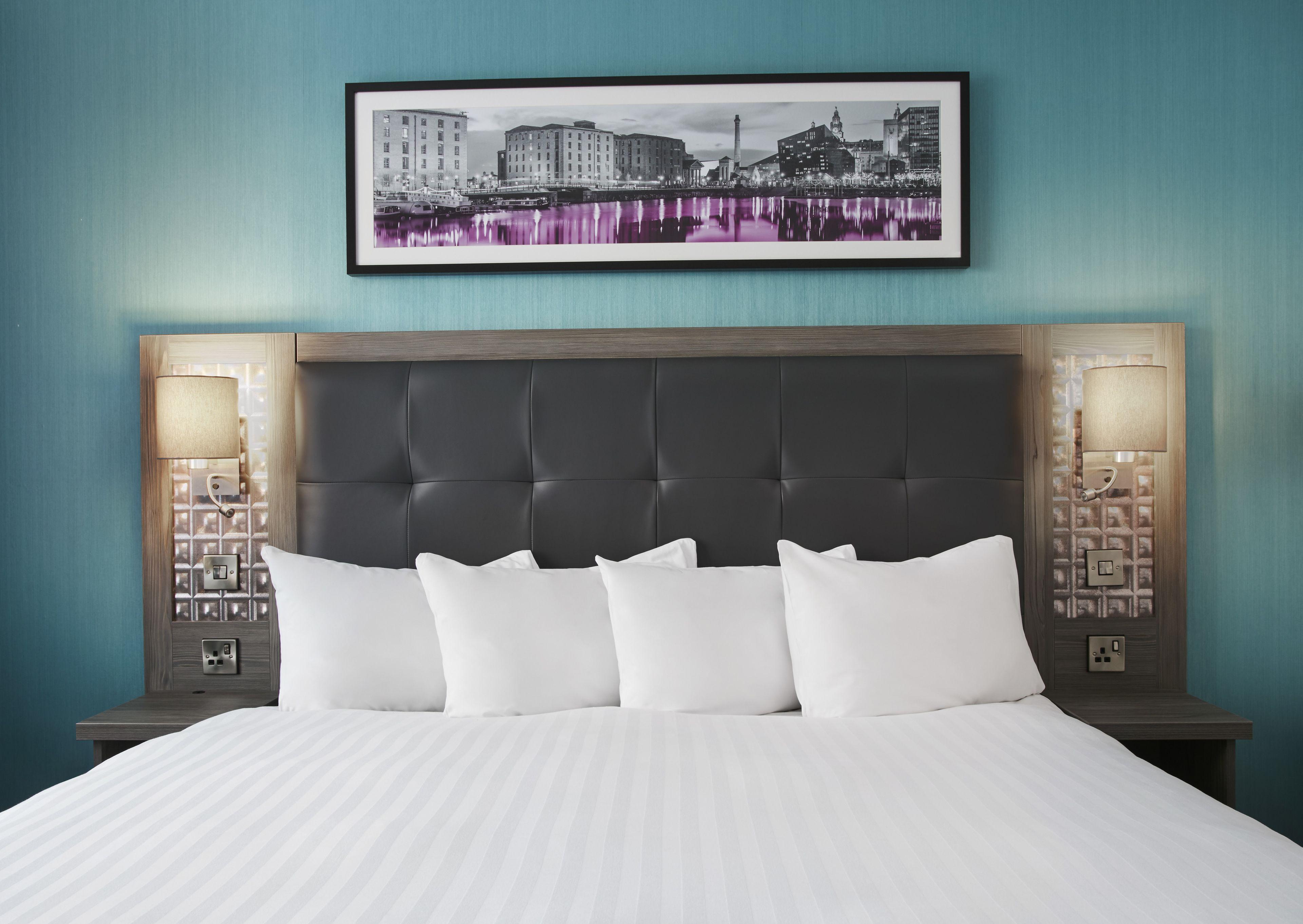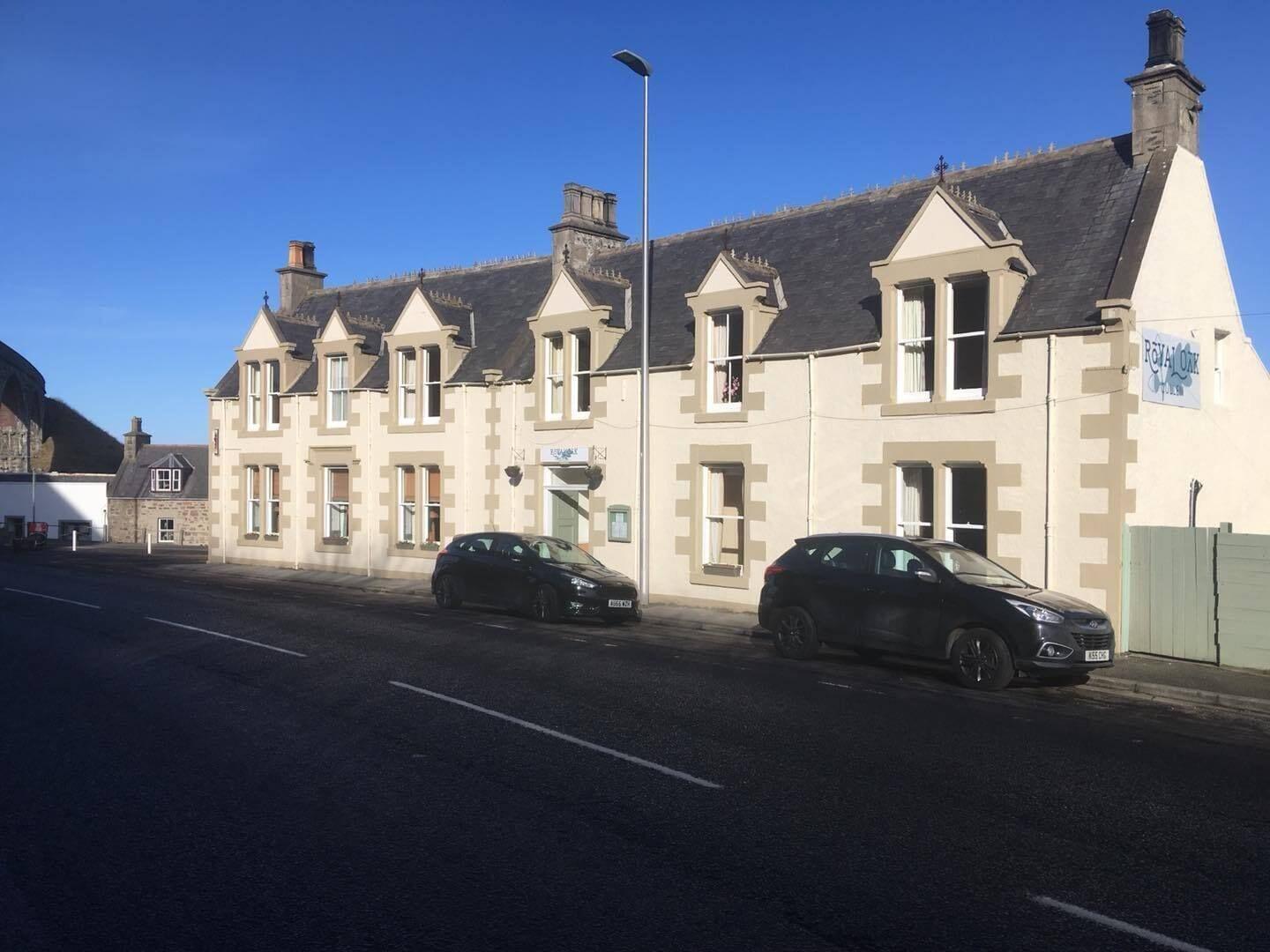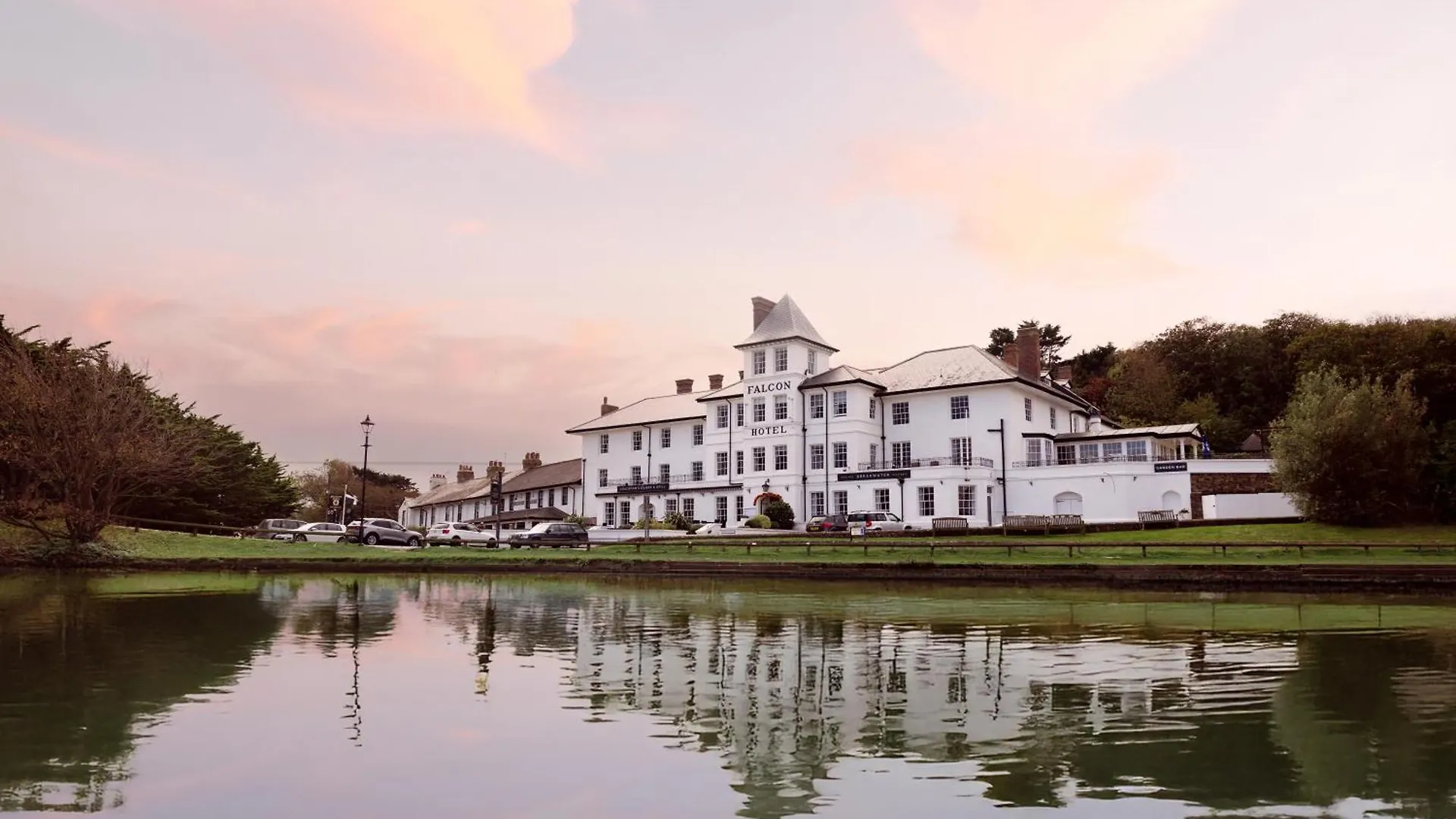
Cornwall's coastline stretches over 400 miles, taking in dramatic Atlantic-facing cliffs, sheltered coves, tidal harbours, and some of England's most photographed beaches. Whether you're chasing surf at Bude, exploring the Lizard Peninsula's hidden coves, or walking the South West Coast Path between villages, staying in a beach hotel here means waking up to sea views and stepping out directly onto sand or harbour stone. This guide covers 15 beach hotels across Cornwall - from characterful inns perched above working fishing harbours to Georgian mansion hotels with spa access - giving you the facts you need to choose the right base for your trip.
What It's Like Staying in Cornwall
Cornwall sits at England's southwestern tip, and its geography defines everything about how you move through it. There is no major motorway running to the coast - most journeys rely on the A30 or A38 trunk roads, which slow significantly during summer school holidays. Driving between the north and south coasts can take over an hour even across relatively short distances on the map, so where you base yourself matters enormously. Trains serve Penzance, Truro, Newquay, and St Ives, but the majority of coastal villages have no rail access at all.
The region draws visitors for its surf beaches, coastal walking, fishing villages, and landmarks like Tintagel Castle, the Eden Project, and the Lost Gardens of Heligan. Summer crowds peak sharply in July and August, when accommodation books out weeks in advance and coastal car parks fill by mid-morning. Shoulder seasons - particularly May, June, and September - offer better availability, lower prices, and noticeably quieter beaches without sacrificing reasonable weather.
Pros:
Extraordinary coastal variety - from Atlantic surf beaches at Bude to sheltered coves on the Lizard Peninsula within a single county
The South West Coast Path connects villages, beaches, and headlands, making car-free exploration genuinely feasible for active travellers
A strong local food culture built on fresh seafood, Cornish ales, and farm produce means dining well is easy at almost every coastal stay
Cons:
Road infrastructure is genuinely limited - summer traffic on the A30 regularly adds significant time to journeys, and parking near popular beaches can be extremely difficult
Mobile signal and fast broadband are unreliable in many coastal villages, which affects both remote workers and those relying on navigation apps
Cornwall is one of England's more expensive domestic destinations in peak season, with accommodation prices rising steeply from late June through August
Why Choose a Beach Hotel in Cornwall
Beach hotels in Cornwall are not a homogeneous category - they range from centuries-old inns sitting directly above fishing coves to modern coastal retreats with sea-view balconies and surf storage. What unites them is proximity: the best options offer either direct beach access, harbour-edge positioning, or coastline views that justify the premium over inland stays. Beachfront and harbour-view rooms typically command a premium of around 30% over equivalent inland rooms in the same area, but that gap narrows significantly in the off-season.
Room sizes in traditional Cornish coastal inns tend to be compact by national hotel standards - these are often historic buildings with original layouts - but the trade-off is character, location, and a dining culture centred on local catch and Cornish produce. More modern beach hotels offer larger rooms with New England or coastal-contemporary styling, often with balconies or private terraces. The key differentiator across Cornwall's beach hotels is not star rating but micro-location: a three-star inn directly above a beach will consistently outperform a four-star property set back half a mile in terms of daily convenience and atmosphere.
Pros:
Direct or near-direct beach and coastal path access eliminates the daily logistics of driving to the coast
Most beach hotels in Cornwall include breakfast featuring local produce, often with views across the bay - a genuine part of the experience
Harbour and cove positioning provides natural shelter and a distinct sense of place that generic town-centre hotels cannot replicate
Cons:
Rooms in cliff-top or harbour-edge inns can be affected by wind noise and, in exposed locations, driving rain - not a concern in summer but relevant for off-season stays
Limited on-site facilities compared to resort-style hotels - few beach inns have pools, gyms, or spa access unless they are larger properties
Parking at beachfront locations can be restricted to small on-site car parks or timed public spaces, particularly in high summer
Practical Booking & Area Strategy
Cornwall's coastline divides naturally into distinct zones, each with a different character. The north Cornwall coast - covering Bude, Trebarwith Strand, and Tintagel - faces the Atlantic directly, producing the county's best surf conditions and most dramatic cliff scenery. The south coast and the Lizard Peninsula offer calmer, more sheltered waters, smaller coves, and quicker access to attractions like the Eden Project near St Austell and the Lost Gardens of Heligan. Choosing your base on the correct coast for your priorities is more important than any other booking decision in Cornwall.
Bude, Looe, Porthleven, and Mevagissey are all working towns with independent restaurants and shops within walking distance of the water - practical bases if you want evening options beyond the hotel itself. More remote locations like Cadgwith, Coverack, and Trebarwith Strand offer a stronger sense of isolation and direct cove access but require a car for almost everything beyond the immediate village. For visitors combining beach time with major attractions, a mid-Cornwall base near the A390 corridor puts you within around 30 minutes of both coasts, the Eden Project, and Truro city centre. Book at least 8 weeks ahead for July and August stays at any beachfront property - the most sought-after sea-view rooms sell out fastest.
Best Value Beach Stays
These hotels deliver strong coastal positioning, direct beach or harbour access, and well-regarded on-site dining at prices that make them the most accessible entry points into Cornwall's beach hotel scene.
-
1. Port William Inn
Show on map


 Check-infrom 15:00 until 22:00Check-outfrom 08:00 until 10:00
Best price guarantee
from£ 115
-
2. The Falcon Hotel
Show on map


 Check-infrom 15:00 until 23:59Check-outuntil 10:00
Best price guarantee
from£ 164
-
3. The Inn On The Shore
Show on map


 Check-infrom 14:00 until 22:00Check-outuntil 11:00
Just a few rooms left at the best rate!
from£ 97
-
4. Cadgwith Cove Inn
Show on map


 Check-infrom 15:00 until 22:00Check-outuntil 10:00
Just a few rooms left at the best rate!
from£ 76
-
5. The Old Success Inn
Show on map


 Check-infrom 15:00 until 22:00Check-outfrom 08:00 until 10:00
Best price guarantee
from£ 107
-
6. Harbour Inn
Show on map


 Check-infrom 15:00 until 22:00Check-outfrom 07:00 until 11:00
Best price guarantee
from£ 170
-
7. Camelot Castle Hotel
Show on map


 Check-infrom 14:00 until 23:00Check-outfrom 08:00 until 11:00
Best price guarantee
from£ 92
-
8. The Old Bridge House
Show on map


 Check-infrom 15:30 until 19:30Check-outuntil 10:00
Rooms filling fast – secure the best rate!
from£ 200
-
9. The Bay Hotel
Show on map


 Check-infrom 15:00 until 22:00Check-outfrom 09:00 until 11:00
Hurry – almost gone at this price!
from£ 363
-
10. Little Treamble Holidays
Show on map


 Check-infrom 15:00 until 19:30Check-outuntil 10:00
Rooms filling fast – secure the best rate!
from£ 163
Best Premium Beach Stays
These properties offer a step up in setting, facilities, or dining distinction - whether through award-winning restaurants, spa access, architectural heritage, or exceptionally positioned sea views that set them apart from the broader Cornwall beach hotel offer.
-
1. Housel Bay Hotel
Show on map


 Check-infrom 16:00 until 21:00Check-outfrom 07:00 until 11:00
Hurry – almost gone at this price!
from£ 99
-
2. The Beach
Show on map


 Check-infrom 16:00 until 20:00Check-outfrom 08:00 until 10:00
Rooms filling fast – secure the best rate!
from£ 121
-
3. Tremarne Hotel
Show on map


 Check-infrom 14:00 until 22:00Check-outfrom 07:00 until 10:00
Just a few rooms left at the best rate!
from£ 175
-
14. Penventon Park Hotel
Show on map


 Check-infrom 15:00 until 23:59Check-outuntil 11:00
Hurry – almost gone at this price!
from£ 100
Smart Travel & Timing Advice for Cornwall Beach Hotels
Cornwall's beach hotel season has clear peaks and troughs that directly affect both price and experience. July and August represent peak demand: schools are out, coastal car parks fill before 10am at popular beaches, and availability at harbour-edge and beachfront properties drops sharply. Booking at least 8 weeks ahead is the minimum for a reliable sea-view room in high summer. September is the most underrated month - water temperatures are at their annual warmest, surf conditions on the north coast remain strong, and room rates begin to ease as the school holiday crowd disperses.
May and June offer the best balance of value and usable beach weather, with longer daylight hours and the South West Coast Path at its least crowded. Winter stays are genuinely atmospheric at harbour properties like Porthleven and Looe - open fires, empty beaches, and storm-watching from cliff-top inns - but some smaller coastal properties close between November and March, so confirming opening dates before booking is essential. A minimum of three nights is generally needed to do justice to any coastal base in Cornwall, given the time required to reach the county from most UK cities and the density of walking, driving, and beach options within each area. Last-minute deals do appear in October and early November, but the selection of sea-view rooms at the best-positioned properties is by then significantly reduced.